Identifying Yellow Birds in Ohio: A Visual Guide
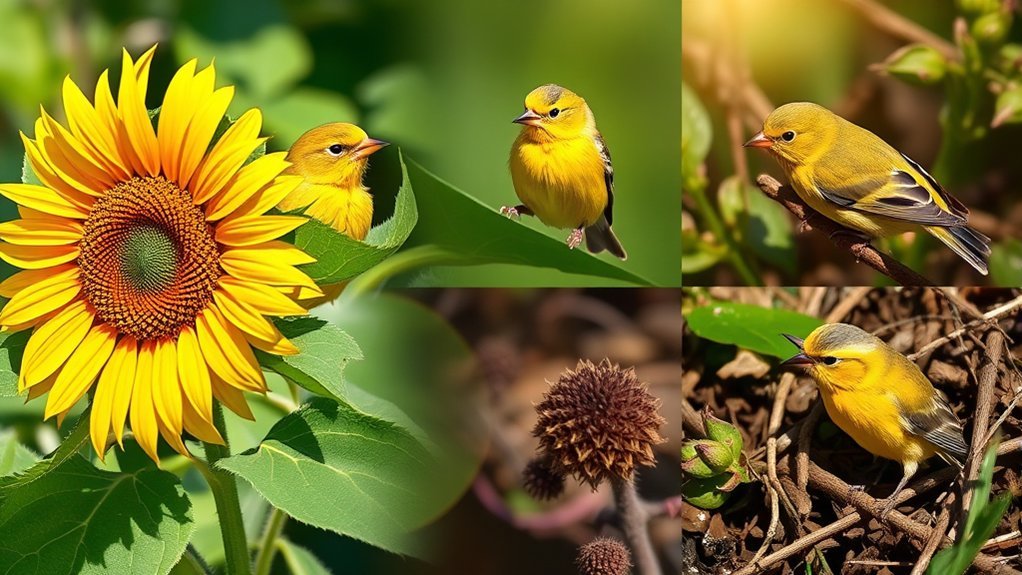
Identifying yellow birds in Ohio is fun and simple. Look for the American Goldfinch. It has bright yellow feathers and a black cap on its head. This bird stands out in the trees.
Another bird to watch for is the Common Yellowthroat. This bird loves wet areas and has softer colors compared to the goldfinch.
Pay attention to where you see these birds and listen to their unique songs. These clues help you tell them apart.
As you practice, you will discover more yellow birds that make Ohio a special place for birdwatching. Enjoy your time outside, and happy birdwatching!
A Quick Overview
Here's how to find yellow birds in Ohio:
- American Goldfinch: Look for this bird's bright yellow feathers. You can hear its cheerful song in open fields and by the sides of roads during summer.
- Common Yellowthroat: This bird has a black mask and bright yellow body. Listen for its unique "witchity-witchity-witch" call in wet, bushy areas.
- Eastern Meadowlark: You can spot this bird by its yellow belly with a black "V" shape. They like to sing in grasslands and meadows.
- Yellow Warbler: This bird is bright yellow and loves shrubby areas near water. You might see it hopping between tree branches.
When you're looking for these yellow birds, pay attention to their colors, shapes, and songs. Each bird likes different places, so there are many chances to see them! Happy birdwatching!
Overview of Yellow Birds in Ohio
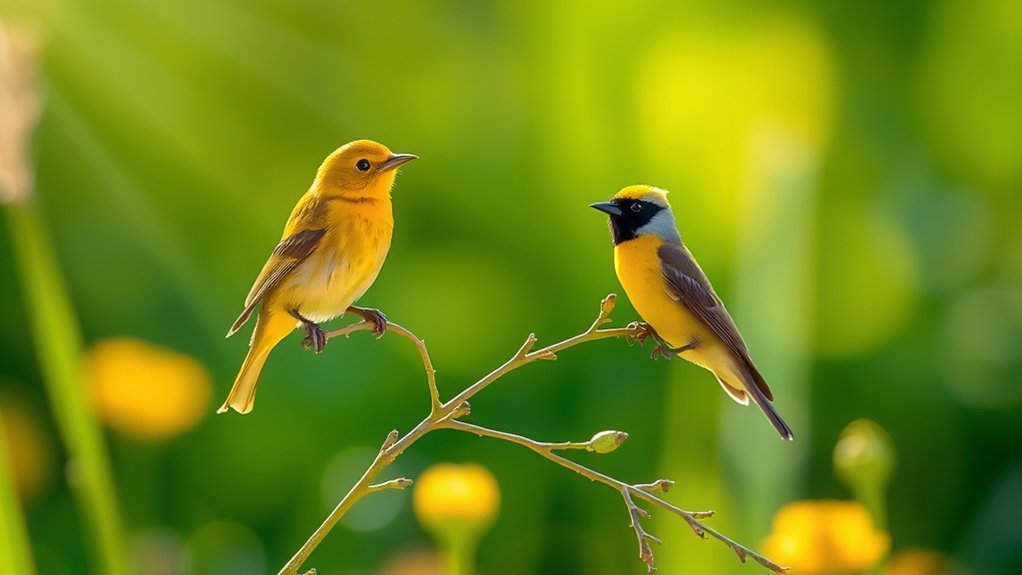
Ohio is home to many yellow birds that make the outdoors lively and fun to watch. Birds like the Common Yellowthroat and the Chestnut-sided Warbler like to hang out near wet areas and in thick bushes.
These birds travel great distances during the year to find good food and places to raise their young.
In the summer, you can see these bright yellow birds everywhere in Ohio's woods and open fields.
Knowing where they like to live helps us protect them and keep our natural areas healthy.
Watching and learning about these yellow birds helps you connect with Ohio's outdoors. Enjoying their beauty also helps us take care of their homes.
American Goldfinch
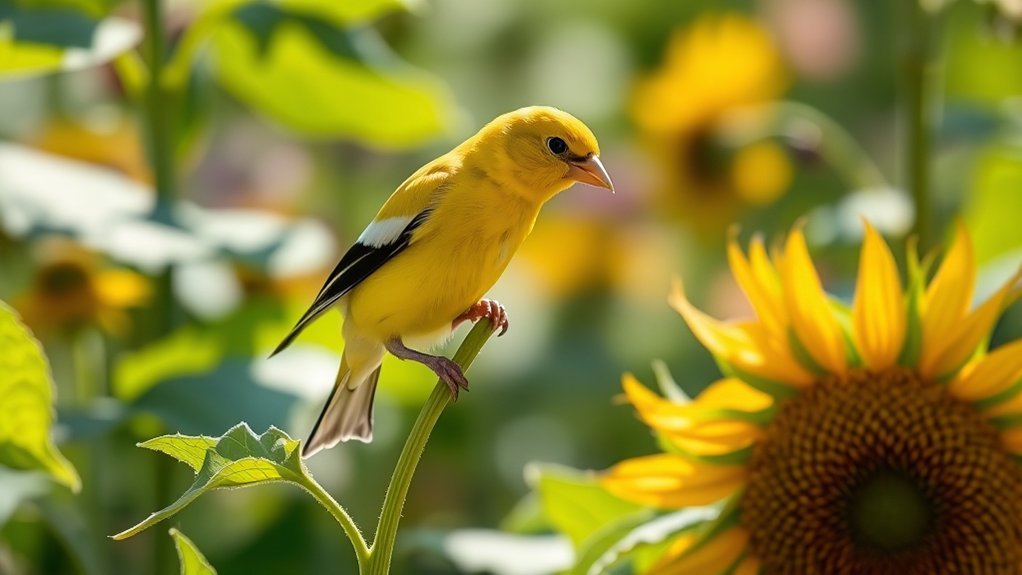
The American Goldfinch is a bright yellow bird that sings sweetly. You can see these finches in Ohio, especially in open fields, weedy spots, and along the sides of roads. They like places with thistles, dandelions, and sunflowers.
Goldfinches often fly together in small groups, which makes their presence even livelier. They eat seeds from many different plants. Their special cone-shaped bills help them get seeds out easily. They usually feed in the morning and late afternoon, which helps them gather energy for the day.
If you want to see these beautiful birds, plant some native flowers in your garden. They'll love visiting, and you'll enjoy their lovely colors and sounds!
Common Yellowthroat
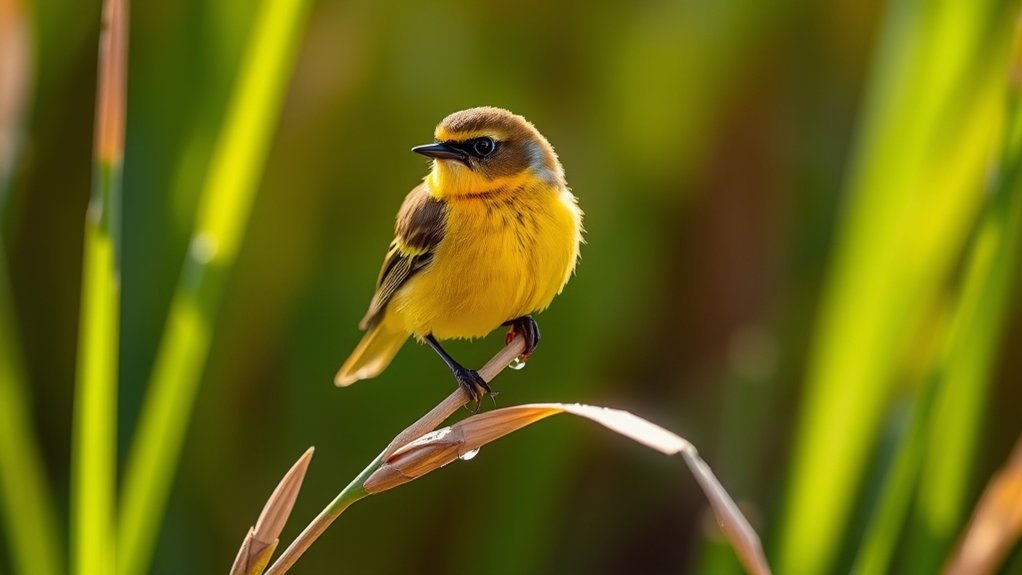
Common Yellowthroats are bright yellow birds that look special with their black masks. They usually live in wet areas like marshes and places with lots of bushes. This is where they find food and hide from others.
You can often see them moving quickly between plants and hear their unique call that sounds like "witchity-witchity-witch." This call helps them let others know where their home is during the breeding season.
They eat insects and spiders, which helps control pests around us.
If you want to see these little birds, be ready to wait. They like to hide in thick leaves. Catching a glimpse of a male Common Yellowthroat during breeding season, with its colorful mask, can be exciting for birdwatchers. Knowing where they like to live can help you spot them in Ohio's beautiful green spaces.
Eastern Meadowlark
When you explore Ohio, you'll see many different birds, like the Eastern Meadowlark. This beautiful bird loves open fields and grasslands. Its scientific name is Sturnella magna. The Eastern Meadowlark has a bright yellow belly with a unique black "V" shape on its chest.
During the breeding season, these birds sing lovely songs and make loud calls to mark their territory. They prefer living in big pastures and meadows, where they make their nests on the ground. Their feathers help them blend in with the grass and plants around them.
If you watch the Eastern Meadowlark, you'll notice that they like to eat insects and seeds. They're good at adapting to different environments.
Learning about their home and behavior can help you appreciate Ohio's amazing wildlife even more!
Yellow Warbler
Spotting a Yellow Warbler in Ohio can be an exciting experience for birdwatchers. This small, bright yellow bird likes to live in shrubby places near water, like wetlands and fields that are a bit messy.
You will see the Yellow Warbler moving quickly through the leaves. It sings a pretty, cheerful "sweet-sweet-sweet" song. During the breeding season, male Yellow Warblers work hard to protect their territories. They show off by flying in the air to attract females.
Look for their yellow belly and olive-colored back when you watch for them. Yellow Warblers often search for insects and caterpillars in trees and bushes. Knowing where these birds like to hang out can help you see them more easily.
As you explore Ohio's different habitats, you might discover more about these colorful songbirds. Watching them can help you feel closer to nature and enjoy birdwatching with others in your community.
Prothonotary Warbler
The Prothonotary Warbler is a beautiful bird that many people might miss, but it catches the eye of birdwatchers in Ohio. This bird has bright yellow and blue feathers. It builds nests in tree holes or in boxes made by people.
The female lays 5 to 7 eggs. She sits on them for about 12 days until they hatch.
Once the baby birds are born, both mom and dad help feed them. They mainly feed their young insects like beetles and caterpillars.
Working together helps these birds do well in different places, like wetlands and forests.
If you're out in nature during the breeding season, look for these lovely birds. Watching them can make you appreciate the variety of birds in Ohio even more.
Blackburnian Warbler
The Blackburnian Warbler is a special bird that adds color to Ohio's skies. This small bird has bright yellow feathers under its body and a black and orange throat. Its back has cool streaks, which makes it easy to identify.
These warblers love to live in mature coniferous forests. They often flit around the branches, looking for insects to eat. You can hear their high-pitched songs filling the woods, making it a joy to listen when you're out birdwatching.
Seeing a Blackburnian Warbler is a great way to connect with Ohio's natural world. It also brings together people who enjoy watching birds and appreciate these beautiful creatures in their homes.
Pine Warbler
Pine Warblers are charming birds that live in Ohio's pine forests. They love areas where tall white pines grow. These trees give them a great place to build nests and look for food.
Pine Warblers are small and full of energy. They like to hop around in the trees, searching for insects and seeds to eat. If you listen closely, you might hear their cheerful chirping before you see them.
During migration, Pine Warblers can be found in many different places. They may visit mixed woodlands or even city parks that have conifer trees. This ability to adapt to different environments helps them thrive.
Watching Pine Warblers can be a fun way to appreciate the variety of birds in Ohio. Their lively movements and sweet songs add joy to our natural surroundings.
Yellow-Breasted Chat
The Yellow-Breasted Chat is a colorful bird you'll spot in Ohio's shrubby areas and open woods. This bird stands out for a few reasons:
- It has a bright yellow belly that really pops against its olive-green wings.
- Its white throat and eye patches give it a friendly look.
- It's one of the biggest warblers you can find.
- The chat sings loudly and has many different song patterns that fill the bushes.
During the breeding season, the Yellow-Breasted Chat puts on a show. It sings complex songs to mark its territory.
Learning about its singing can help you enjoy spotting this amazing bird more when you're out in Ohio's nature.
Great-tailed Grackle
Great-tailed Grackles are eye-catching birds you can see in Ohio's cities and towns.
They're medium-sized and have shiny feathers. The male grackles have long, slender tails that are easy to spot. You can find them in open fields, parking lots, and parks, which are their favorite places to hang out.
They make loud calls that sound like harsh whistles and chatter, which help you notice when they're nearby.
These birds like to be around each other and often form big groups. Watching them together can be fun, as they show how they communicate and interact.
Learning about Great-tailed Grackles and where they live can make your birdwatching more enjoyable.
You'll feel more connected to the bird life in Ohio and have a great time observing these lively creatures.
Identification Tips for Yellow Birds
When you look for yellow birds in Ohio, you'll see many beautiful kinds.
Here are some simple tips to tell them apart:
- Color Patterns: Look closely at their color. Some are bright yellow, like a lemon. Others are a softer yellow, kind of like butter.
- Bill Shape: Check the shape of their beak. Some birds have short, thick beaks. These are good for eating seeds. Other birds may have long, skinny beaks to help them catch insects.
- Song Identification: Listen to their songs. Each bird has its own sound. For example, the American Goldfinch makes a sweet, cheerful song.
- Habitat Preferences: Pay attention to where you find them. Some birds like open fields, while others prefer being near water.
By using these tips, you can enjoy watching and identifying yellow birds in Ohio.
Happy birdwatching!
Frequently Asked Questions
What Time of Year Are Yellow Birds Most Commonly Seen in Ohio?
You will see yellow birds the most in spring. This is the time when they come back to Ohio to breed. Knowing this helps you plan your birdwatching trips and feel more connected to nature. Watching these birds can be a fun and exciting experience!
Are Yellow Birds in Ohio Migratory or Resident Species?
In Ohio, yellow birds can be either migratory or resident species. Some yellow birds leave Ohio during the winter to find warmer places. Other yellow birds stay in Ohio all year round. They change how they eat and build their nests based on the seasons.
Migratory yellow birds make a long trip to other areas when it gets cold. Resident yellow birds can handle the cold and find food nearby. Both types of yellow birds are important to Ohio's nature. They bring color and life to the environment, whether they are flying in from afar or staying close to home.
How Can I Attract Yellow Birds to My Backyard?
To attract yellow birds to your backyard, start by putting out bird feeders. Fill these feeders with sunflower seeds and nyjer thistle seeds. These foods are favorites for yellow birds.
Next, make your yard more inviting by planting native flowers. These flowers provide natural food and a nice place for birds to play.
What Habitats Do Yellow Birds Prefer in Ohio?
Yellow birds like to live in open areas. These places often have thick bushes where they can build their nests. They also enjoy being close to water sources, like ponds or streams.
Their favorite habitats have many different types of food. Yellow birds eat seeds and insects. This variety helps them survive and have babies.
If you're in Ohio and want to see yellow birds, look for these open spaces with bushes and water nearby!
Are Any Yellow Birds in Ohio Endangered or Threatened?
In Ohio, some yellow birds are in trouble. They are at risk and could become endangered. People are working hard to help these birds. They are trying to protect their homes and raise awareness. This will help the bird populations grow and ensure they survive. Taking care of nature benefits everyone, including us!

Joyce is the passionate founder of Chirping Hearts, a website dedicated to sharing her love for birds and providing valuable information about avian life. With a background in ornithology and years of experience in birdwatching, Joyce aims to inspire others to appreciate the beauty and diversity of birds. Through her engaging articles and guides, she hopes to foster a community of bird enthusiasts who share her enthusiasm for these incredible creatures. When she’s not writing, Joyce enjoys exploring nature trails and observing birds in their natural habitats.