
Common Names of Blue Birds: Identifying Species Across Regions
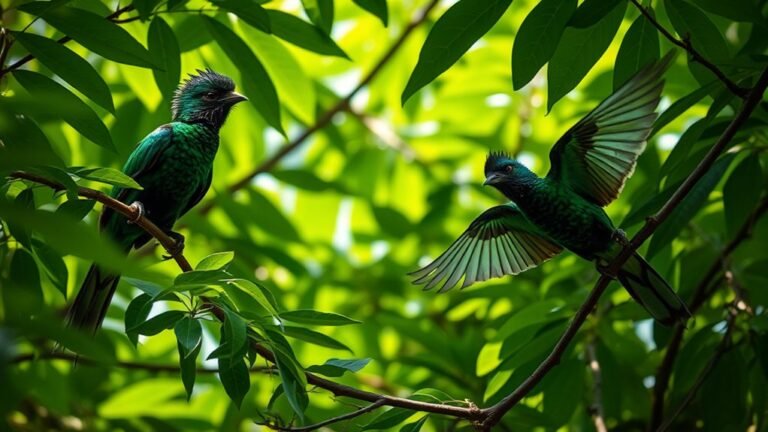
Let's talk about blue birds! There are many different kinds of blue birds, each with its own special look and habits. For example, the Eastern Bluebird lives in North America. It sings beautiful songs and has bright blue feathers. Then, we have the Blue-footed Booby from the Galapagos Islands. Its blue feet help it catch fish.
Learning about these blue birds can be fun and exciting. You not only get to know their names, but you also see how they fit into nature. Each blue bird has unique features that make it special. What interesting things can you find out about these beautiful birds?
A Quick Overview
The Eastern Bluebird lives in meadows and fields. It stands out with its bright colors and lovely song.
The Indigo Bunting can be found in fields and woodlands. Its bright blue feathers are eye-catching, and they change colors with the seasons. This bird is also known for migrating to different places.
The Blue Jay enjoys living in many types of areas. It is smart and makes a variety of sounds. Its striking blue feathers make it easy to spot.
The Tree Swallow likes open spaces. This bird is very good at flying and mainly eats insects it catches in mid-air.
The Blue-footed Booby mainly lives in the Galapagos Islands. It has unique blue feet and is very social with others of its kind.
These blue birds bring color and joy to the nature around us!
Eastern Bluebird: The Melodic Jewel of North America
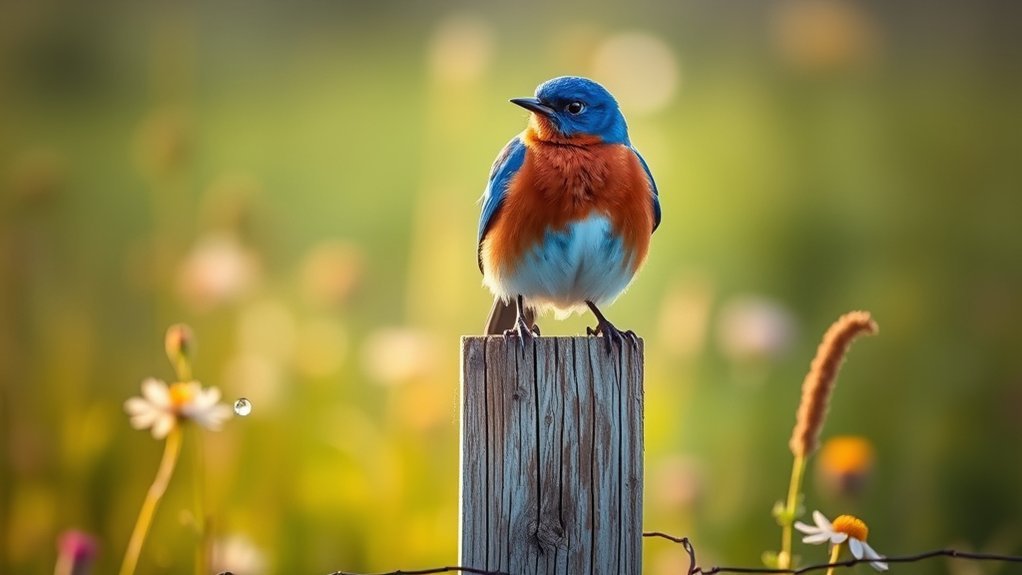
If you explore North America, you'll probably see the Eastern Bluebird. This small bird is known for its bright colors and beautiful song. These bluebirds love open spaces like meadows, fields, and orchards. You can often find them sitting on fences or low branches, looking around.
Eastern Bluebirds have interesting behaviors. They show off during courtship and often nest in tree holes or in boxes made by people. They eat mainly insects, fruits, and berries. This diet helps them play an important role in nature.
Watching Eastern Bluebirds can help you appreciate nature more. It connects you to the lively wildlife in your area, making each outing feel special.
Indigo Bunting: A Brilliant Blue Visitor
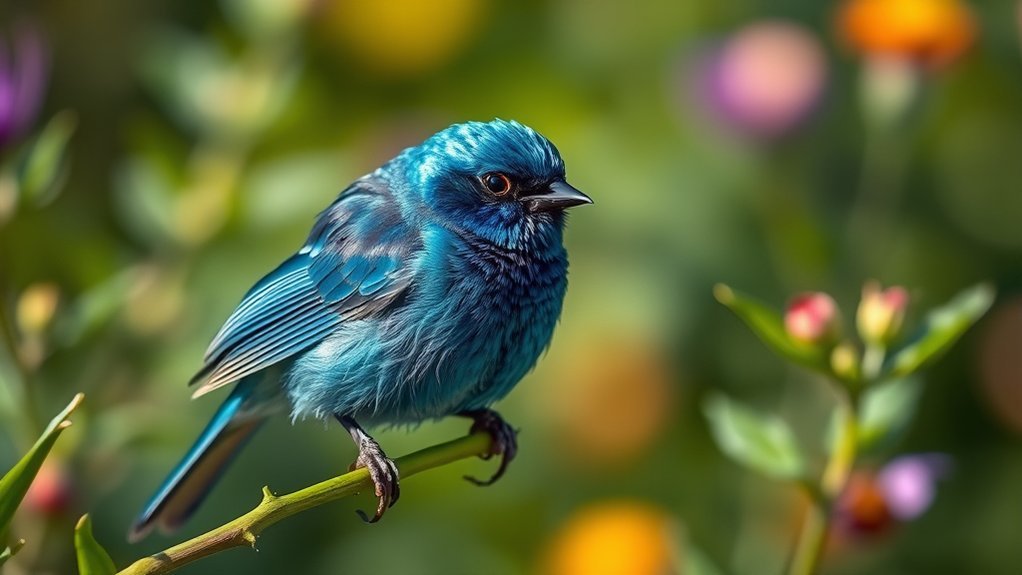
The Indigo Bunting is a small bird known for its bright blue feathers. It stands out against the more common Eastern Bluebird. The Indigo Bunting's color can change with the seasons, making it even more interesting to watch.
These birds like open areas like fields and woodlands. You can see them during migration as they move between their summer homes in North America and their winter homes in Central America. They fly short distances and often sing sweet songs, especially when finding a mate.
When you spot an Indigo Bunting, you're experiencing a beautiful part of nature. These birds show us how amazing wildlife can be. Enjoy the moments you see them; they remind us of the vibrant world we live in.
Blue Jay: The Clever and Vocal Bird

Blue Jays are smart and loud birds found in North America. They've bright blue feathers and black collars. These clever birds can find food and hide it to eat later. They mainly eat seeds, nuts, and insects, which shows they can live in different places.
When you listen to Blue Jays, you'll hear them making many sounds. They use sharp calls and can copy the sounds of other birds. This helps them talk to each other and mark their territory.
Watching these lively birds shows their intelligence and how important they're to their environment.
Tree Swallow: A Graceful Aerialist
Tree Swallows are amazing birds known for their flying skills. You can find them in many parts of North America during the spring and summer. Every year, they travel far to get back to where they build their nests. Watching them fly gracefully is always a joy.
They like to build their nests in holes in trees or in places that people have made. To make their nests comfy, they use grass, feathers, and reeds. Sometimes, you can see them living together in small groups, which helps them interact with each other.
Tree Swallows mostly eat insects. They're great at catching their food while flying.
Learning about these birds helps you see how important they're for keeping nature balanced.
Barn Swallow: The Master of Insect Hunting
Barn swallows are expert insect catchers. They've slim bodies and long, forked tails that help them fly quickly and smoothly. These birds catch insects in mid-air, which is important for controlling pests on farms.
Barn swallows often hunt near water, where there are many insects.
Another interesting thing about them is how they build their nests. They make cup-shaped nests using mud, often under roofs or bridges. These nests are usually in groups, making it safer for them to raise their young.
Blue Grosbeak: A Hidden Gem in Brushy Habitats
The blue grosbeak is a beautiful bird you might see in brushy areas. It often hides in thick shrubs, making it easy to miss. Its bright blue feathers stand out against the green plants.
- Where They Live: Blue grosbeaks like messy fields and the edges of woods. These places give them plenty of cover to stay safe.
- Mating and Nesting: During the breeding season, male blue grosbeaks sing from high spots. This helps them mark their territory and attract females.
- What They Eat: They mainly eat seeds and insects. This diet is important for them to raise their young.
If you explore brushy habitats, keep an eye out for these hidden gems. Their color and song can make your visit special!
Violet-green Swallow: A Colorful Western Favorite
The violet-green swallow is a colorful bird found in the western United States. It catches the eye with its shiny feathers that sparkle in the light. This bird flies smoothly in the air, looking for insects to eat. Watching it swoop and dive is a joy for many birdwatchers.
During breeding season, violet-green swallows like to nest in tree holes or man-made buildings. They often return to the same place each year. These birds build their nests using grasses, feathers, and bits of plants. This shows how clever they are.
Learning about how they nest and behave can help you feel closer to these beautiful birds. It can make your birdwatching experiences even better. So grab your binoculars and keep an eye out for these vibrant swallows!
Lazuli Bunting: The Pacific Coast's Sparkling Beauty
The lazuli bunting is a beautiful bird you can find along the Pacific Coast. It has bright blue feathers and orange underparts that make it easy to spot. This small songbird lives in different places like forests, fields with shrubs, and open grasslands. It looks for seeds and insects to eat.
When it's time to migrate, the lazuli bunting flies from its homes in the western United States to Mexico and Central America for the winter.
Here are some fun facts about the lazuli bunting:
- Males are especially colorful during breeding season.
- They sing lovely songs that make the area around them feel special.
- Watching these birds can help you feel closer to nature and appreciate it more.
Mountain Bluebird: The Sky-Blue Wanderer
While exploring open fields and grasslands in North America, you might see the mountain bluebird. This bird stands out with its bright sky-blue feathers.
It likes to live in places with low plants, like fields, sagebrush, and rocky areas. These spots make good homes for mountain bluebirds.
You might find their flying and the way they show off during mating season really interesting. They hunt for insects by sitting on fence posts or low branches. This shows how sharp their eyes and quick their movements are.
Mountain bluebirds enjoy being around others, so you might spot small groups of them when it's not breeding time.
Learning about where they live and how they behave can help you appreciate these lovely birds even more.
Blue-throated Hummingbird: An Iridescent Marvel
The blue-throated hummingbird is a beautiful bird found in Mexico and parts of the southwestern United States. Its shiny feathers sparkle in the sunlight, making it a joy to watch.
Here are some cool things about this little bird:
- It flies quickly and can change directions easily.
- It loves to drink nectar from flowers, especially those that are long and tube-shaped.
- It's very protective of its feeding spots and will chase away other birds.
The blue-throated hummingbird likes certain flowers, like trumpet vine and agave. These flowers give the bird the energy it needs.
Blue-footed Booby: The Iconic Seabird of the Galapagos
The blue-footed booby is a fun and easy-to-recognize bird found in the Galapagos Islands. Its bright blue feet catch the eye of everyone who sees it. This seabird loves to nest on rocky cliffs and near the ocean.
One of the coolest things about blue-footed boobies is their courtship dance. The males show off their blue feet to attract females. They lift their feet high to highlight their color. This display makes them stand out!
The blue-footed booby is also a great diver. It jumps into the water to catch fish. This bird uses its sharp eyes to spot food from above.
These birds like to hang out together, so you might see many of them gathering in one spot. This gives you a perfect chance to watch them interact with each other.
If you visit the Galapagos, be sure to keep an eye out for the blue-footed booby. You'll love watching this special bird and its unique traits!
Frequently Asked Questions
What Do Blue Birds Symbolize in Different Cultures?
Blue birds mean different things in different cultures. They often stand for calmness and hope. In some traditions, they represent freedom or the ability to communicate with others. This helps people feel connected and part of their community.
How Do Blue Birds Attract Mates During Mating Season?
During mating season, blue birds put on exciting shows to attract their mates. They flaunt their bright colors and sing beautiful songs. These displays help them show off how strong and healthy they are. It's like a fun dance party, where the birds want to impress each other. If you watch closely, you will see how active and playful they can be while trying to find the perfect partner. It's a joyful time for blue birds!
What Is the Lifespan of Common Blue Bird Species?
Blue birds have a lifespan that can be quite different from one bird to another. They usually live between 2 and 15 years. How long they live depends on a few things, like their living area and whether they face predators. These sweet birds play an important role in nature, and their lives help keep the ecosystem healthy.
Are Blue Birds Migratory or Resident Species?
Many bluebirds migrate when it gets cold. They travel to warmer places where food is easier to find. But some bluebirds do not leave their homes. They stay in the same areas all year long.
Knowing how bluebirds behave can help us see how they fit into nature. They play important roles in the environment and have special ways to adapt to where they live. Whether they fly south or stay put, bluebirds are interesting birds to observe and learn about.
How Can I Attract Blue Birds to My Garden?
Want to attract blue birds to your garden? Here are some easy tips!
First, use tube feeders. Fill them with sunflower seeds. Blue birds love these seeds. You can also offer suet blocks, which are great snacks for them.
Next, think about adding some plants. Native shrubs like serviceberry and bluebell are perfect choices. They give the birds food and shelter.

Joyce is the passionate founder of Chirping Hearts, a website dedicated to sharing her love for birds and providing valuable information about avian life. With a background in ornithology and years of experience in birdwatching, Joyce aims to inspire others to appreciate the beauty and diversity of birds. Through her engaging articles and guides, she hopes to foster a community of bird enthusiasts who share her enthusiasm for these incredible creatures. When she’s not writing, Joyce enjoys exploring nature trails and observing birds in their natural habitats.