Can Birds Get Fleas? Understanding Parasites in Avian Species
Birds can get fleas, just like dogs and cats. These tiny bugs can jump onto birds and make them feel itchy and uncomfortable. It's important to know if your bird has fleas so you can help them.
Look for signs like scratching, biting at their feathers, or losing feathers. If you see any of these, your bird might have fleas.
To keep your feathered friends safe, keep their cages clean and check them regularly. If you find fleas, you can talk to a vet for advice on how to get rid of them. Keeping your birds healthy and happy is what matters most!
A Quick Overview
Yes, birds can get fleas. Fleas like Echidnophaga gallinacea and Ctenocephalides felis can live on birds, especially in warm and humid places.
If a bird has fleas, you might see it scratching a lot or pulling out its feathers. You might also find tiny black dots, which are flea droppings, in their feathers.
To stop fleas from bothering your bird, keep its living area clean. This means regularly cleaning the cage and washing its toys and other items.
If you think your bird has fleas, talk to a vet. They can help you find safe ways to treat your bird, like special creams or natural products made for birds.
People often believe fleas only affect pets like dogs and cats. However, birds can get fleas too, especially in their nests. So it's important to take care of your feathered friends!
The Types of Fleas That Affect Birds
Fleas can be a problem for birds. Two common types of fleas that bother birds are Echidnophaga gallinacea and Ctenocephalides felis. These fleas like certain weather conditions, such as warm temperatures and humidity. They also enjoy being near nesting areas.
To help your birds stay healthy and flea-free, check on them often. Keep their living space clean. This will make it harder for fleas to thrive.
Remember, fleas can make your birds uncomfortable and cause other health problems if not taken care of.
Signs of Flea Infestation in Birds
Birds can get fleas, just like pets. It's important to spot the signs early to keep your bird healthy and happy.
Watch for these signs: If your bird is scratching a lot or pulling out its feathers, it's likely uncomfortable. You may also see tiny black specks in its feathers. These are flea droppings.
If your bird seems restless, tired, or is losing weight, it may have a flea problem. Look for small, dark insects on your bird or in its cage.
Fleas can make your bird sick, so take action quickly. Keeping an eye out for these signs helps your feathered friend live a better life.
Taking care of fleas helps strengthen the bond you have with your bird.
Preventive Measures to Keep Birds Flea-Free
To keep your bird free from fleas, it's important to clean its environment regularly. Make sure to clean your bird's cage often. Remove any droppings, leftover food, and other messes. This helps keep your bird healthy and makes it less attractive for fleas.
You can use a simple vinegar solution to wipe down the cage. This solution can help get rid of flea eggs without hurting your bird.
Wash your bird's toys, perches, and bedding in hot water to make sure they're flea-free too.
Try not to let your bird share space with pets that might've fleas. You can also ask your vet for natural flea repellents that are safe for birds.
Treatment Options for Fleas in Avian Species
Fleas can become a big problem for pet birds, and you need to act quickly to help your feathered friend. The first step is to talk to your veterinarian. They can suggest safe flea treatments that work for birds. Some vets may recommend topical medications, while others might offer natural treatments that are gentle on your bird.
Keeping your bird's cage clean is very important. Regularly washing the cage and the area around it helps control flea numbers. You can also use a fine-toothed comb to carefully remove fleas from your bird's feathers.
Myths and Misconceptions About Fleas in Birds
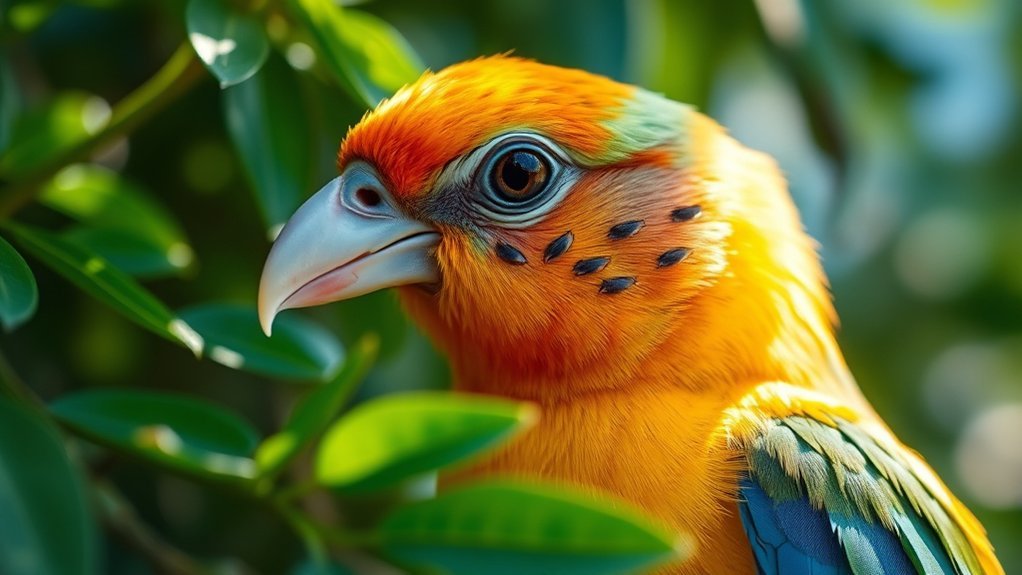
Many people think fleas only bother dogs and cats, but that's not true. Birds can get fleas, too! A popular myth is that birds can't get fleas because they've feathers.
While birds do groom themselves and can reduce flea problems this way, fleas can still grab hold.
Another common misunderstanding is that flea life cycles don't affect birds. In fact, fleas can live in bird nests and even harm young chicks.
It's important to check all pets, including birds, for pests regularly. Knowing this can help you take better care of your feathered friends.
Keeping an eye out for fleas can help keep them healthy and happy. Don't ignore the chance of fleas! Your attention can save them from these annoying pests.
Frequently Asked Questions
Can Flea Infestations Affect a Bird's Behavior or Mood?
Flea infestations can really change how your bird acts. When fleas bite, your bird might feel anxious or restless. You may see them scratching a lot or trying to shake off the fleas.
Keeping your bird's space clean and free of fleas is important. A comfy and pest-free home helps your bird feel happy and relaxed. When your bird feels good, they'll be more playful and social. Remember, a happy bird is a lively bird!
Are Certain Bird Species More Susceptible to Fleas Than Others?
Some bird species get fleas more easily than others. This happens because of where they live and how they keep themselves clean. Birds that groom themselves a lot can help keep fleas away. However, some birds are really good at staying healthy despite having fleas.
If we work together to help birds that have flea problems, we can make a difference. It's important to support these birds to help them stay healthy and happy. Let's care for our feathered friends!
Can Fleas Survive in a Bird's Cage?
Yes, fleas can live in a bird's cage if it's not kept clean. To keep your bird safe and happy, always clean the cage and check for fleas. This will help create a safe and cozy space for your bird. Regular care makes a big difference!
How Do Environmental Conditions Influence Flea Populations Around Birds?
Environmental conditions, like humidity, play a big role in how many fleas can live around birds. When the air is humid, fleas can grow and multiply quickly. This can be a problem for your birds, as they may get infested with these pesky pests.
To keep your feathered friends safe and healthy, it's important to keep their environment dry. Less humidity means fewer fleas, which helps your birds feel more comfortable. So, check the humidity levels and do what you can to reduce moisture in their space. Simple changes can make a big difference for your birds!
Can Fleas Transfer Diseases to Birds or Other Pets?
Yes, fleas can spread diseases to birds and other pets. It's really important to keep your pets free from fleas. This helps prevent health problems and keeps your home safe for all your furry and feathery friends. Regularly checking for fleas and treating your pets can help them stay happy and healthy. Remember, a flea-free pet is a happy pet!

Joyce is the passionate founder of Chirping Hearts, a website dedicated to sharing her love for birds and providing valuable information about avian life. With a background in ornithology and years of experience in birdwatching, Joyce aims to inspire others to appreciate the beauty and diversity of birds. Through her engaging articles and guides, she hopes to foster a community of bird enthusiasts who share her enthusiasm for these incredible creatures. When she’s not writing, Joyce enjoys exploring nature trails and observing birds in their natural habitats.