Birds That Look Like Blue Jays: Identifying Similar Species
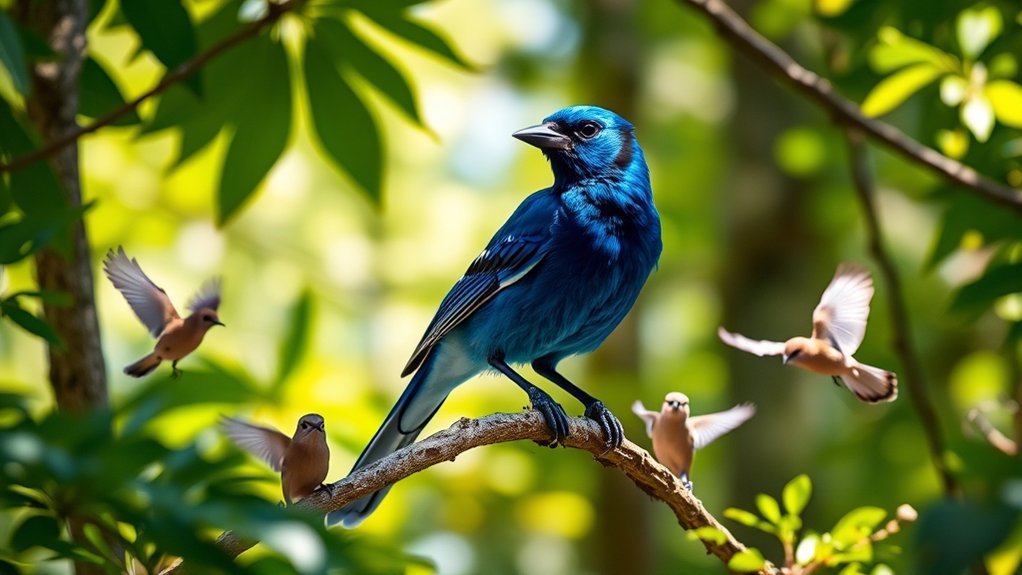
When you watch birds, you might see some that look a lot like the Blue Jay. Eastern Bluebirds show off bright blue feathers and warm orange bellies. Steller's Jays live in the mountains. They have pretty blue feathers and a black crown on their heads. Scrub Jays are a bit different; they have a softer blue color and can be found in dry places.
But wait, there are even more birds that look like Blue Jays! Let's check out a few more interesting ones.
A Quick Overview
Here are some birds that look like Blue Jays:
- Steller's Jay is bright blue and has a black crest on its head. You can find it in the western mountains.
- Scrub Jay looks a bit different. It has plainer feathers and a shorter tail. This bird likes to live in dry shrub areas.
- The Eastern Bluebird also has blue feathers, but it stands out with its warm orange chest.
- Indigo Bunting and Blue Grosbeak are both smaller birds with bright blue colors. They live in different types of habitats.
- Tree Swallows and Barn Swallows have blue feathers too. They are known for their fast flying and different shapes.
All of these birds share some features with Blue Jays, but each one has something special that makes it unique!
Overview of the Blue Jay
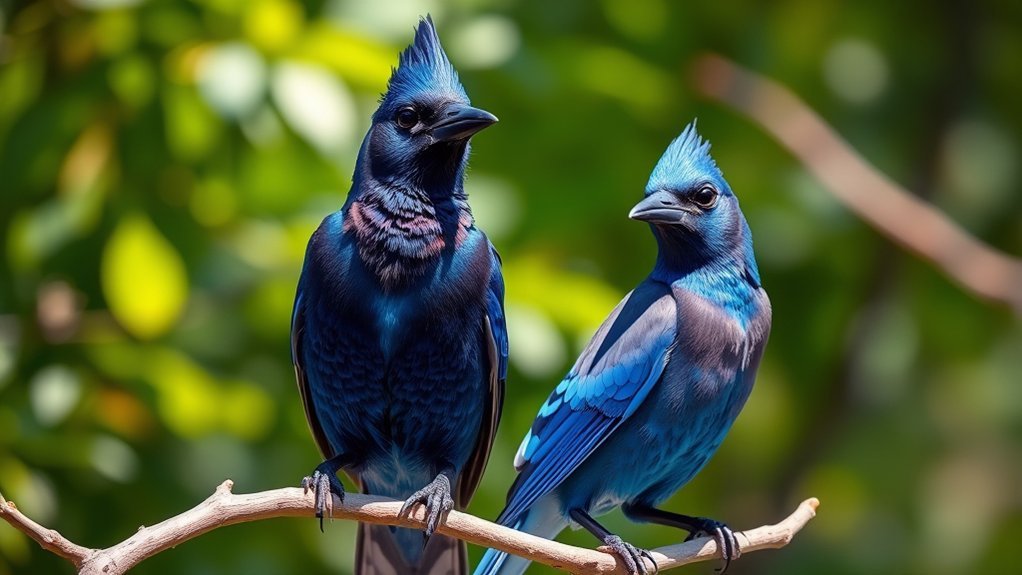
The Blue Jay is a colorful bird from the Corvidae family. Birdwatchers love them for their bright feathers and smart behavior. You can find Blue Jays mostly in deciduous or mixed forests, where they enjoy a mix of trees and plants.
These birds are social and curious. They look for acorns, berries, and insects to eat. One cool thing about Blue Jays is that they save food for later, which shows how clever they are. You can easily hear them with their loud calls and noisy chatter.
Blue Jays stand out because of their bold colors and unique crest. Learning about their habits and homes can help you appreciate these amazing birds even more. You can share what you learn with other bird lovers and enjoy watching them together!
Eastern Bluebird: A Colorful Contender
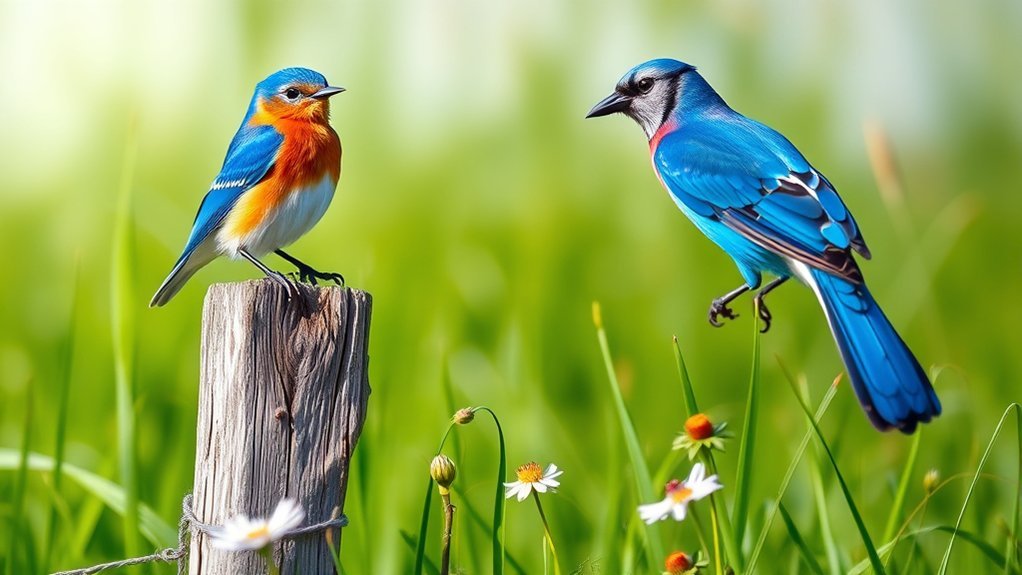
The Eastern Bluebird (Sialia sialis) is a beautiful bird that many people love. Male bluebirds have bright blue feathers that shine in the sunlight. They look amazing against green fields and colorful orchards. You can spot their warm orange chest, which helps tell them apart from blue jays.
These birds sing sweet songs that make you feel happy, especially in spring. They enjoy wide-open spaces, where they look for insects and other food. This makes them a fun sight in your backyard or at a local park.
Watching Eastern Bluebirds can help you feel closer to nature and connect with others who like birdwatching too.
Steller's Jay: A Mountain Dweller

If you hike in the mountains of western North America, you might see a Steller's Jay. This bird has bright blue feathers and a black crest on its head. It fits perfectly in the tall trees of the forests.
Steller's Jays aren't shy. They often search through pine cones for bugs. You can find them at campgrounds too, looking for scraps of food.
They're smart and social, so you might see them talking to each other. Watching them can be fun and will make you feel more connected to the lively mountains around you.
Scrub Jay: The Desert Adaptation
Scrub Jays and Steller's Jays both have bright blue feathers, but they live in different places. Scrub Jays are great at surviving in dry areas of the western United States. Instead of living in mountains, they make their home in deserts. These places are filled with low bushes and a few trees.
Scrub Jays eat all sorts of things. They look for insects, seeds, and berries. Sometimes, they hide food to eat later. When it comes to their sounds, Scrub Jays are quieter than Steller's Jays. This helps them fit in better with their surroundings.
Scrub Jays also have shorter tails and plainer feathers. This makes them faster and helps them get around more easily.
Watching these birds shows us how they adapt to different environments. Their story connects us to nature and inspires us to appreciate their unique lives.
Indigo Bunting: The Smaller Blue Mimic
Indigo Buntings are beautiful birds with bright blue feathers. They look a bit like blue jays but are smaller, measuring about 5 to 6 inches long. Male Indigo Buntings show off their vibrant blue color, especially during the mating season.
You can find these birds in open woods, shrubby areas, and near roads. They like places with a mix of shrubs and trees. Unlike blue jays, Indigo Buntings often search for food low to the ground. They eat seeds and insects, which help them stay healthy.
One of the most charming things about Indigo Buntings is their sweet songs. Their melodies are gentle and pleasant, making them stand out from the louder blue jays.
Learning about these small blue birds can help you appreciate them more when you see them in your area.
Blue Grosbeak: A Blue Beauty
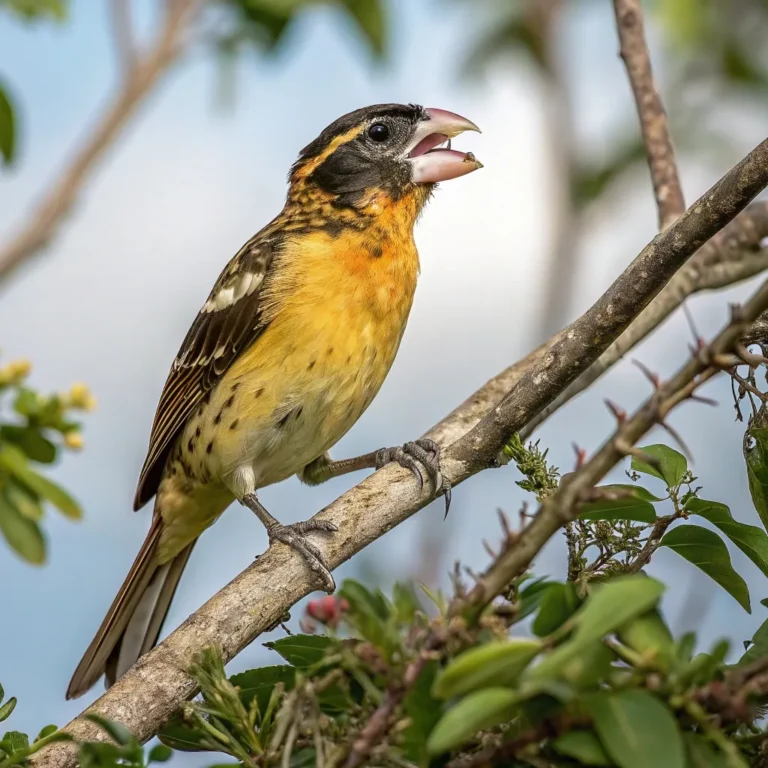
The Blue Grosbeak is a beautiful bird that catches the eyes of birdwatchers. Its bright blue feathers shine in the sunlight.
While blue jays are known for being loud and a bit mean, Blue Grosbeaks prefer calmer places. You can often find them in:
- Fields with bushes and open woods where they can hide.
- Near ponds or rivers where they can drink.
- Farmland where they look for seeds and bugs to eat.
These birds eat seeds, insects, and berries. This tasty diet helps keep their colors bright and their spirits high.
While blue jays like to play and squawk, Blue Grosbeaks bring a peaceful charm. They invite us to enjoy their grace as they dart through the trees and brush.
Tree Swallow: Glimmering Blue in Light
The Tree Swallow (Tachycineta bicolor) is a beautiful bird with shiny blue-green feathers that sparkle in the sunlight. Its bright white belly makes it stand out. These birds love to be near water and often build their nests in tree holes or special birdhouses.
Tree Swallows are great flyers. They zoom through the air to catch insects, showing off their quick moves. You can often see them flying in groups, which adds fun to the places they live.
If you watch closely, you might see them skimming over the water, looking for food. This playful behavior makes them even more enjoyable to observe, showing the beauty of nature around us.
Barn Swallow: The Elegant Blue Flyer
The Barn Swallow, known as Hirundo rustica, is famous for its beautiful blue feathers and smooth flying. People love seeing this bird in cities and countryside.
Here are some interesting facts about the Barn Swallow:
- Eating Habits: Barn Swallows eat insects. They fly through the air, catching bugs while they soar and glide.
- Migration: Every year, Barn Swallows travel a long way from North America to Central and South America for the winter. They cover a lot of ground during this journey!
- Nesting: Barn Swallows are clever builders. They make their mud nests close to where people live, showing they can adapt well to different places.
Barn Swallows aren't only beautiful but also fascinating birds that many people enjoy watching.
The Role of Color in Bird Identification
Color is very important when we identify birds. It helps us find out what kind of bird we're looking at. For example, the bright blue color of a Blue Jay is very different from the softer blues of a Blue Grosbeak.
Look closely at the little details, too. The Blue Jay has black markings, while the Stellar's Jay is a solid blue. The Eastern Bluebird is easy to spot with its warm orange chest. These colors make it easier to tell one bird from another.
Frequently Asked Questions
How Can I Attract Birds That Look Like Blue Jays to My Yard?
To attract birds that look like blue jays, set up bird feeders in your yard. Fill these feeders with nuts and seeds. Blue jays love these snacks!
Also, make your yard welcoming by adding different types of plants and trees. Birds like to feel safe and have places to hide. A small birdbath with fresh water can also help. Birds love to drink and splash around.
With food, plants, and water, your yard will be a fun place for birds to visit!
Are Blue Jay Look-Alikes Found in Specific Regions?
Yes, blue jay look-alikes are found in different regions. They usually live in places with lots of trees, like mixed forests. These birds fit into their surroundings well. This makes birdwatching fun and interesting in various areas. If you enjoy spotting birds, look for these colorful relatives in tree-filled environments!
What Are the Behaviors That Distinguish These Birds From Blue Jays?
To tell the difference between blue jays and similar birds, watch how they act when they eat and listen to their sounds. Blue jays are bold and grab food quickly. In contrast, look-alike birds may be more careful when feeding or use different calls. This helps you appreciate the variety in bird behavior and communication.
Do Blue Jays and Their Look-Alikes Interbreed?
Blue jays and their look-alikes usually don't mix. They belong to different species, which keeps them from interbreeding. They also behave and live in different ways. These differences make it hard for them to mate, even if they look similar. This helps keep each species unique.
How Can I Tell the Age of These Blue Jay Mimics?
You can tell how old blue jays are by looking at their feathers and size. Young blue jays, or juveniles, have feathers that are not bright and their bodies are smaller. Adult blue jays, on the other hand, show bright colors and are bigger. So, next time you see a blue jay, check out its feathers and size to guess its age!

Joyce is the passionate founder of Chirping Hearts, a website dedicated to sharing her love for birds and providing valuable information about avian life. With a background in ornithology and years of experience in birdwatching, Joyce aims to inspire others to appreciate the beauty and diversity of birds. Through her engaging articles and guides, she hopes to foster a community of bird enthusiasts who share her enthusiasm for these incredible creatures. When she’s not writing, Joyce enjoys exploring nature trails and observing birds in their natural habitats.