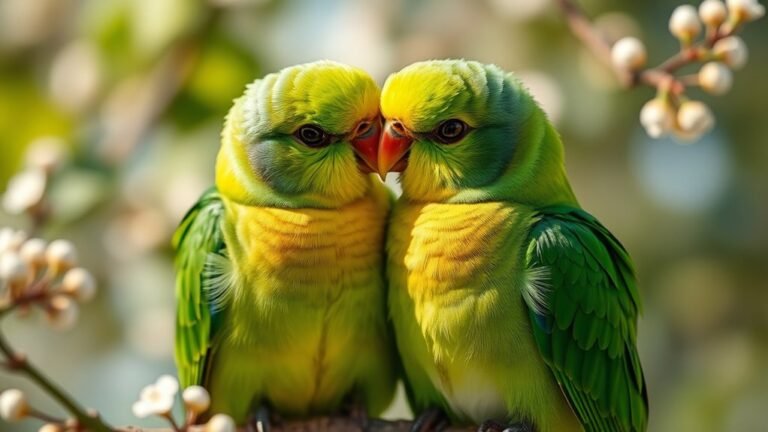

Admiring the Beauty of the Blue Bird of Paradise: Nature’s Masterpiece
The Blue Bird of Paradise is more than just a pretty bird. It has bright, shiny feathers that look amazing and help it find a mate. Each color on its body plays a special part in these courting rituals. But despite its beauty, this bird faces dangers that threaten its survival.
Understanding how the Blue Bird of Paradise fits into its environment helps us see why it's important to protect it. If we don't work to save these birds, future generations may miss out on seeing this amazing creature. Let's care for them so everyone can enjoy their beauty for years to come!
A Quick Overview
The Blue Bird of Paradise is a beautiful bird with shiny feathers in bright colors. These colors can change depending on the light, which makes the bird look even more amazing.
During mating season, male Blue Birds of Paradise perform special dances to impress females. These dances show how strong and healthy they are.
The way this bird looks is very important for finding a mate. Its stunning appearance helps it survive and thrive in nature.
This bird lives in lush tropical rainforests. These areas give it the food and shelter it needs to stay safe.
People are working hard to protect the Blue Bird of Paradise's home. This way, future generations can also enjoy seeing this beautiful bird.
The Enchanting Habitat of New Guinea

When you visit New Guinea, you'll see beautiful landscapes where the Blue Bird of Paradise lives. This bird thrives in one of the most varied ecosystems on Earth. New Guinea has many different plants and animals. The tropical rainforests are alive with life. They've tall trees that create a thick canopy, providing shelter for the Blue Bird of Paradise.
The leaves and branches of these trees are full of moisture. This moisture helps many plants grow. The bird finds food and safety in this green habitat. The jungle floor also has many insects that serve as food for the Blue Bird of Paradise. This shows how different living things work together in the ecosystem.
Understanding this connection helps us appreciate this amazing bird. It reminds us that we all need to care for fragile environments like those found in New Guinea.
A Closer Look at the Iridescent Plumage
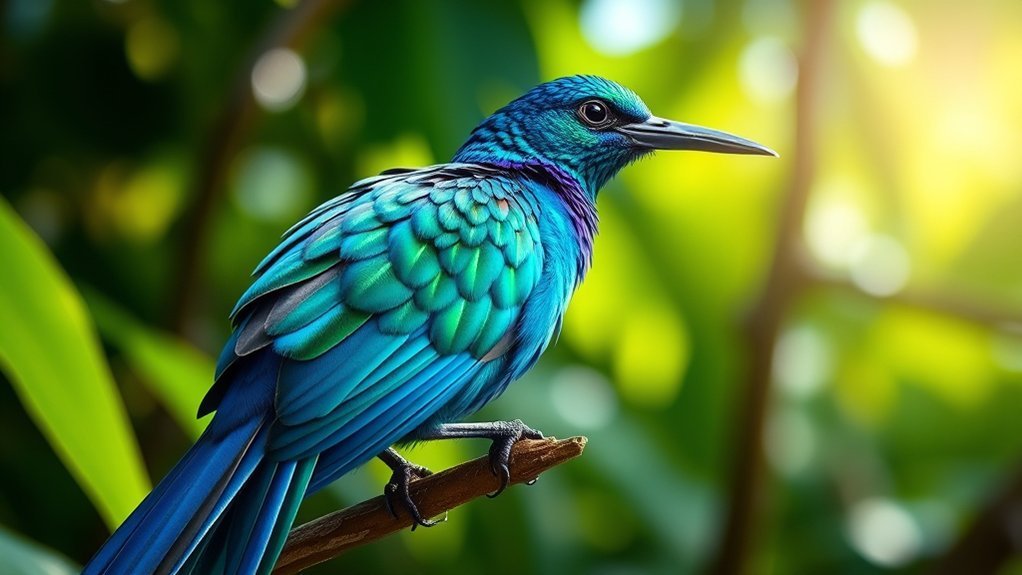
The Blue Bird of Paradise has beautiful feathers that shine in bright colors. When you see it, the colors change with the light, making it look magical. You can spot different colors, like deep blue and shiny green, all arranged in a way that makes it even more appealing.
The feathers have tiny layers that bend light in interesting ways, giving them their shiny appearance. This glowing look isn't just for show. It helps the birds talk to each other and choose mates.
The Intricate Courtship Rituals
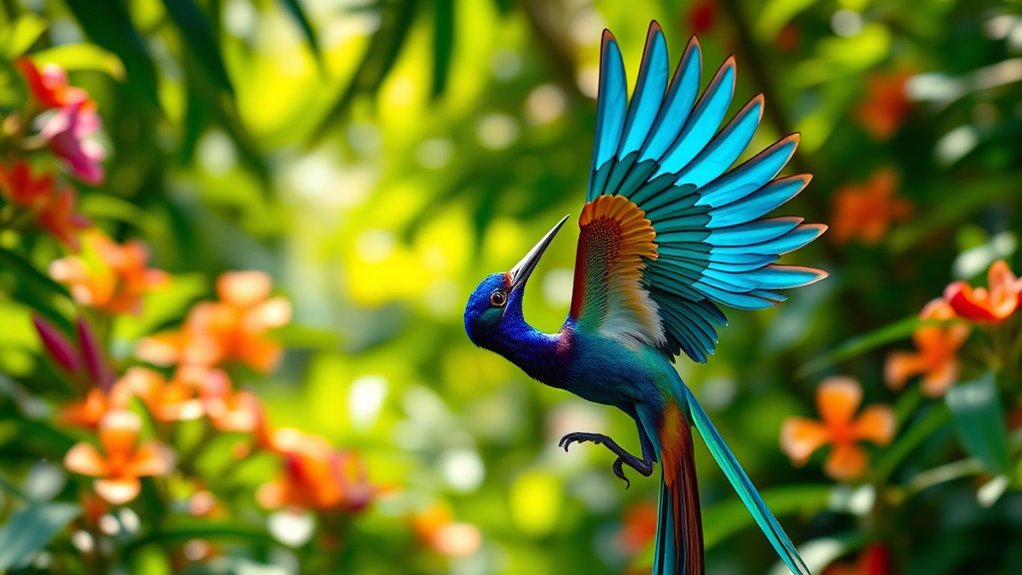
The courtship of the Blue Bird of Paradise is a fascinating show. The male bird performs special dances and displays his bright feathers. These actions help him attract a female bird. When he dances, he shows that he's healthy and strong.
Males often dance in specific areas that they claim as their own. As they move through the trees, they spread their feathers and make soft sounds. The female watches closely. She looks for the best dancer, as her choice is very important. This way, the birds can find a good mate and keep their species going.
The Role of the Blue Bird of Paradise in Ecosystems
The Blue Bird of Paradise isn't just a pretty bird; it plays an important role in nature. These birds help pollinate plants, which means they help flowers make seeds. They do this while feeding on nectar from the flowers. This makes it easier for many types of plants to grow, which helps the whole ecosystem.
The bright colors of the Blue Bird of Paradise attract their mates and predators. This helps keep a natural balance in their habitat. They also have interesting encounters with other animals, showing off their quick movements and sharp instincts. This adds to the food web, where everything in nature is connected.
Threats to Its Habitat and Survival
The Blue Bird of Paradise is in trouble because of humans.
As we build and farm, we take away the homes these birds need. They rely on forests for food and safe places to raise their babies.
Climate change makes things worse. It changes the weather and the plants that grow in their habitats. This means fewer places for the Blue Bird of Paradise to find food and build nests.
We need to work together to protect these beautiful birds and their homes. If we don't, we might lose them forever.
Let's do our part to help keep the Blue Bird of Paradise in our world!
Efforts in Conservation and Preservation
The Blue Bird of Paradise is in danger, and we need to help it survive. Many groups are working hard to save this beautiful bird. They focus on stopping habitat loss and damage.
These conservation projects often team up with local communities. They show people how to use their land in ways that help both people and the birds.
One important task is to fix up the bird's home. This means planting back native plants and making safe spots for the birds to nest and find food.
By protecting these areas and preventing tree-cutting, we can help their ecosystem stay healthy.
When we join these efforts, we not only help the Blue Bird of Paradise but also make a bond with others who care about our planet's wonderful wildlife. Together, we can make a difference!
Cultural Significance in Indigenous Communities
The Blue Bird of Paradise is very important to many indigenous communities. It shows their traditions and their strong bond with nature. This bird appears in local stories and myths. It stands for beauty and grace and has special meanings in different tales.
The bird's colorful feathers look great, but they also hold meaning in rituals. People use feathers in their ceremony outfits. This helps them feel a connection to the bird and its spirit during both celebrations and times of sadness.
In many myths, the Blue Bird acts as a messenger. It connects the earth to the sky. By learning about these stories and meanings, you can understand the values and beliefs that shape these communities.
It helps you see how deeply they respect nature and their culture.
How You Can Help Protect This Species
The Blue Bird of Paradise is special. To help save it, you can take action. Start by learning about why this bird matters. Join projects that teach people about its importance and how to help.
You can also take part in projects that restore its home. This means planting trees and using land in a way that's good for nature. Supporting groups that work on these projects can make a big difference. Together, you become part of a community that cares about conservation.
Another way to help is to speak up for rules that fight climate change and stop deforestation. These changes can help protect the Blue Bird of Paradise for the future.
The Future of the Blue Bird of Paradise
The future of the Blue Bird of Paradise depends on how we protect it. Climate change and habitat loss are big threats. To help this beautiful bird, we need strong conservation efforts and community involvement.
Breeding programs are very important. They help keep the bird's genes strong, so it can adapt to changes in its surroundings. You can help by supporting local groups that work on restoring and protecting habitats.
When scientists and local people work together, everyone shares the responsibility. By getting involved, you not only help the Blue Bird of Paradise survive, but you also make stronger connections within your community.
This teamwork ensures that the stunning Blue Bird of Paradise will be around for many years to come.
Frequently Asked Questions
What Do Blue Birds of Paradise Eat in the Wild?
Blue birds of paradise eat a mix of fruits, insects, and nectar. They enjoy juicy fruits to get energy. They also munch on bugs and tiny insects for protein and nutrients. When flowers bloom, they sip nectar, which is sweet and tasty.
These birds are very flexible eaters. They can find food in different places like forests and gardens. By eating a variety of things, they help keep their environment healthy and balanced. Their diets let them thrive in many areas, showing how they fit into nature's plan.
How Long Does a Blue Bird of Paradise Live?
The lifespan of a blue bird of paradise is usually between 10 and 15 years when they live in the wild. If you decide to keep one as a pet, it's important to take good care of them. Make sure they have a healthy diet and a comfortable home. This helps them live longer and stay happy.
What Are Common Predators of the Blue Bird of Paradise?
Common predators of the blue bird of paradise include snakes, birds of prey, and feral cats. These animals can be a real threat to the blue bird. To stay safe, blue birds use some clever tricks. They can blend in with their surroundings. They also build their nests in places that are hard for predators to reach. Plus, they stay alert and watch for dangers around them. These strategies help the blue bird avoid getting caught.
How Many Species of Birds of Paradise Are There?
There are about 42 species of birds of paradise. Each type has special features that help them live in their environments. They need certain conditions to thrive, which shows how important bird diversity is in nature. You can help by being part of conservation efforts. It's fun to learn about these amazing birds and support their protection!
Do Blue Birds of Paradise Migrate Seasonally?
Blue birds of paradise don't migrate much. They usually stay in their favorite spots all year long. Sometimes, changes in the weather or their environment can make them move a little, but they don't travel long distances like some other birds do. They are happy where they are and prefer to stick around their homes.

Joyce is the passionate founder of Chirping Hearts, a website dedicated to sharing her love for birds and providing valuable information about avian life. With a background in ornithology and years of experience in birdwatching, Joyce aims to inspire others to appreciate the beauty and diversity of birds. Through her engaging articles and guides, she hopes to foster a community of bird enthusiasts who share her enthusiasm for these incredible creatures. When she’s not writing, Joyce enjoys exploring nature trails and observing birds in their natural habitats.