
What Is a Group of Sparrows Called? Understanding Collective Nouns
When you think about sparrows, you might wonder what a group of them is called. A group of sparrows is known as a "trouble." This fun term shows how active and social sparrows can be.
But why is it called that? To understand this name, we can think about how words connect with nature. Every animal has a unique way of living, and names can capture that spirit.
So, the next time you see sparrows together, you can say you spotted a "trouble" of sparrows! Isn't that a neat way to describe them?
A Quick Overview
A group of sparrows is called a "trouble." This fun name shows how lively and friendly they are with each other. Sparrows like to chat and interact in their groups, making their behavior playful and spirited.
The idea of collective nouns, like "trouble," started a long time ago, in medieval times. People wanted special words to describe groups of animals. These words help us feel more connected to nature.
You might also hear the terms "flock" or "flutter" to describe sparrows. But "trouble" really captures their fun-loving spirit.
Learning about names for groups of animals makes our language richer. It shows how creative people can be when they talk about the traits of different animals.
When you see a "trouble" of sparrows, think about how important friendship and community are in their lives. Their gatherings remind us of the bonds we share with others.
The Unique Collective Noun for Sparrows

Sparrows are interesting little birds. When a group of them gathers, we call it a "trouble" of sparrows. This fun name shows how they interact and socialize.
In a "trouble," sparrows talk and cooperate in lively ways. Watching them helps us learn more about how they live and get along.
The name "trouble" adds a playful touch to how we think about these birds. It reminds us that they've their own community and friendships.
When you see a "trouble" of sparrows, you can appreciate their lively nature and how they play a role in our environment. So, next time you spot a group of sparrows, remember the unique name they carry!
A Brief History of Collective Nouns
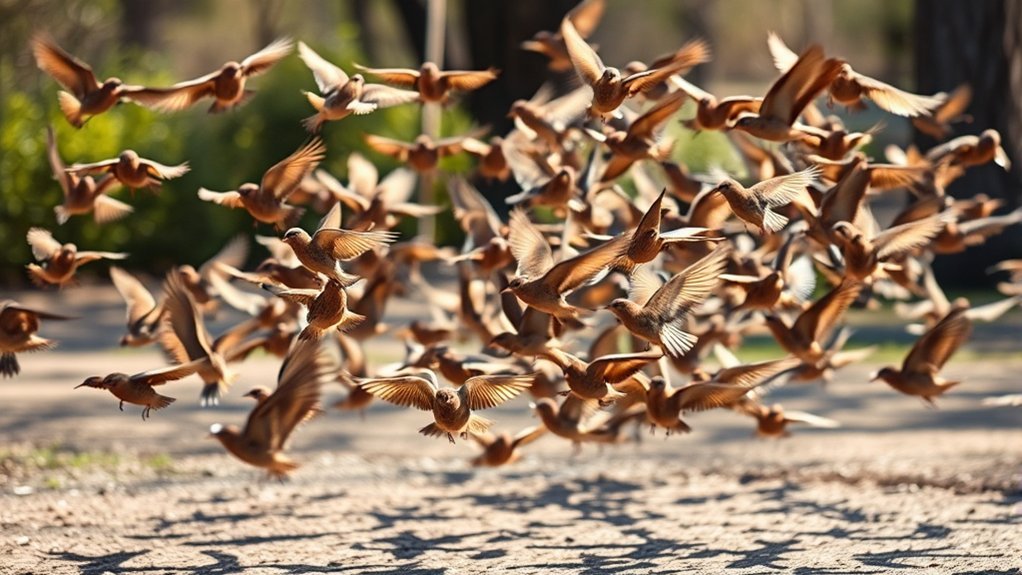
Collective nouns are words we use to describe a group of things or animals. These special names started a long time ago, back in medieval times. People used them a lot when they were hunting or farming.
The history of collective nouns shows how people wanted to connect with nature and the world around them. These words helped hunters and farmers talk clearly about the groups they saw. For example, a "flock" of birds or a "pack" of wolves.
As you learn about these interesting terms, you can see how language helps us feel close to each other and the world. Collective nouns are more than just words; they tell stories about shared experiences and how we relate to one another.
Understanding this history can make using language even more special. So, next time you see a group of animals, think of the neat word that can describe them!
The Origins of the Term for Sparrows
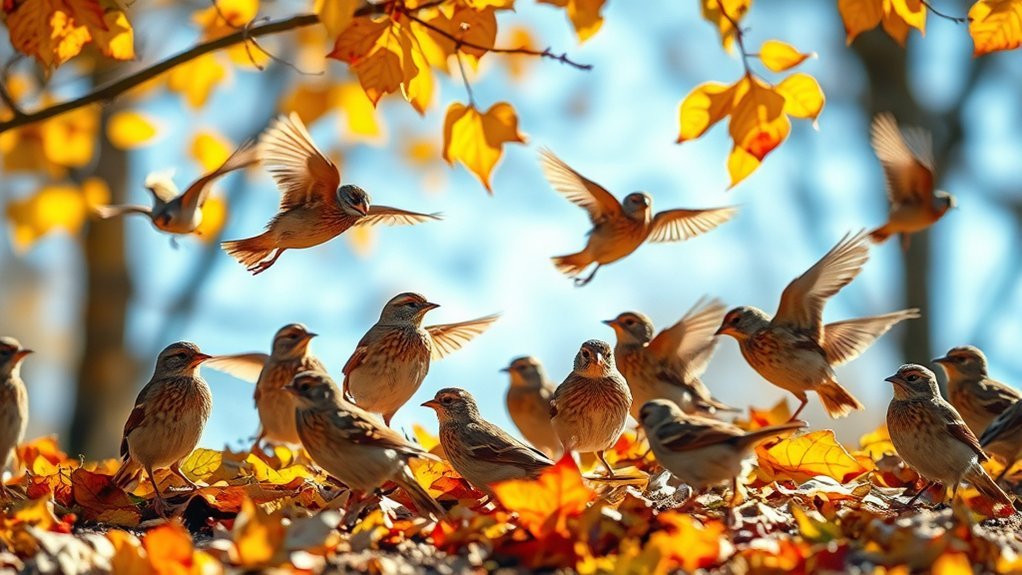
Collective nouns help us describe groups of animals, like sparrows. When we see a group of sparrows, we often call it a "flock" or a "flutter." These names come from how sparrows behave when they're together. They're very social and like to interact with each other.
Long ago, writers needed words to capture how lively sparrows are when they gather. This is why we've these fun terms.
Using specific names for groups of animals helps us appreciate nature. It shows us how sparrows connect and share their lives with each other.
Exploring Other Collective Nouns for Birds
Have you ever thought about what groups of birds are called? Just like sparrows, different bird species have special names for their groups. For example, a group of crows is called a "murder." This name comes from how clever crows can be.
On the other hand, a group of geese is known as a "gaggle," which shows how they stick together like family. These funny names often come from how people saw these birds acting in the past.
Knowing these names can make birdwatching more fun. It helps you feel closer to nature and connect with other bird lovers who enjoy watching birds too. Each name tells a little story about the birds.
The Whimsical Nature of Collective Nouns
Collective nouns give fun names to groups of animals, especially birds. When you hear phrases like "murder of crows" or "exaltation of larks," it makes you smile. These unique names add a special touch to how we talk about nature.
Each collective noun tells a story about the animals. They capture the animals' traits and show our creative side. When you use these expressions, you join a playful tradition that helps you enjoy the natural world even more.
Using these delightful terms helps us appreciate both language and life. They remind us of the beauty around us and make our conversations more enjoyable.
Interesting Collective Nouns for Mammals
Mammals have some really cool names for groups of them! For example, when elephants are together, we call them a "herd." This shows that they like to stick together.
You might've heard of a "murder" of crows, which makes them sound a bit mysterious and interesting.
Another fun one is a "sleuth" of bears. This name hints that bears usually spend time alone, but they're powerful animals. Each of these names tells us something about how these animals act and live in groups.
Learning about these collective nouns helps us connect with these amazing mammals. It makes us appreciate their lives and how they interact with one another.
How Collective Nouns Enrich Language
Learning about the special names for groups of animals can make talking more fun and interesting. These names, known as collective nouns, show how animals behave together. For example, we call a group of starlings a "murmuration" and a group of crows a "murder."
Using these unique words helps us connect better with others who enjoy language. When we share these fun terms, it brings people together. It shows that we understand and appreciate the interesting ways language works.
Talking about collective nouns can be a fun way to expand our vocabulary too! Next time you think about animals, try using these cool group names. It makes conversations more lively and helps us bond over our shared love for words.
Cultural Significance of Collective Nouns
Language shows what people value, and collective nouns give us interesting insights about different cultures. These words don't just name groups; they show how creative and social people can be. For example, we say a "murmuration" of starlings or a "gaggle" of geese. These unique terms reflect the way cultures interact with nature and each other.
In different places, the names we choose for groups show our shared experiences and identities. By looking at these collective nouns, we can better understand how language connects to values and beliefs. This helps us feel part of the larger human story.
Understanding collective nouns can be fun and gives us a peek into how different cultures see the world!
Creative Uses of Collective Nouns in Literature
Collective nouns make our writing stronger and more fun. They help readers picture things and feel connections. Using these nouns can make your writing lively and interesting.
Here are some easy ways to use collective nouns:
- Set the mood for your story.
- Create feelings of togetherness or loneliness.
- Turn simple ideas into fun stories.
- Help readers imagine things as a group.
- Add a nice rhythm to your poems and stories.
Using collective nouns lets you describe things in a clear and exciting way. This can make your writing feel more inviting and relatable.
Whether you're writing a poem or a story, use these creative words to engage your readers and keep them interested.
Fun Facts About Sparrows and Their Behavior
Sparrows are interesting little birds. They show fun behaviors that make them special. They love to socialize. You can often find them hanging out in groups, chirping, and talking to each other. This helps them make strong friendships within their flocks.
Sparrows are also very adaptable. They eat many different foods. When they feed, they enjoy nibbling on seeds, grains, and even bugs. They're great at finding food!
Sparrows often eat together in a group, sharing their meals. This shows how important it's for them to connect with each other.
Watching how sparrows interact reminds us how important community is. Just like sparrows, we all need friends and a sense of belonging.
Frequently Asked Questions
Are There Different Terms for Sparrows in Various Languages?
Yes, sparrows have different names in various languages. In Spanish, a sparrow is called "gorrión." In French, it is "moineau." These names show how different cultures see this common bird. It's interesting to see how languages describe familiar things.
How Do Collective Nouns Vary Across Animal Species?
Collective nouns are special words we use to describe groups of animals. They change a lot from one animal to another. For example, a group of geese is called a "gaggle," while a group of lions is known as a "pride."
These words can also be different based on where you live and your culture. Some terms might be popular in one area but not in another. This shows how people connect with the animals around them.
Understanding these collective nouns can be fun and interesting! Next time you see a group of animals, try to remember the unique name for that group. It adds a little magic to our everyday world!
What Is the Most Common Collective Noun for Birds?
When you think about groups of birds, you might think of the word "flock." It's the most common way to describe a group of birds. But did you know there are more fun names for different kinds of birds?
For example, a group of geese is called a "gaggle," and a group of crows is known as a "murder." Each name helps us understand the different types of birds and their communities better. It's interesting to learn these names, and it adds a bit of charm to birdwatching! So next time you see a group of birds, try to remember what they're called!
Do Collective Nouns for Animals Change Over Time?
Yes, collective nouns for animals can change over time. Language evolves as people and cultures change. This means the words we use to describe groups of animals can also change.
For example, we often say "a flock of birds" or "a pack of wolves." Over time, new words may become popular, while others might fade away. Language reflects how we see the world, including the animals in it.
How Can I Create My Own Collective Nouns?
Making your own collective nouns can be fun! Think about animals or traits and mix them in creative ways. You could say "a whisper of foxes" or "a dance of butterflies." Let your mind wander and have fun with it! This can help you connect with others and add something special to your community. So grab a pen and start creating!

Joyce is the passionate founder of Chirping Hearts, a website dedicated to sharing her love for birds and providing valuable information about avian life. With a background in ornithology and years of experience in birdwatching, Joyce aims to inspire others to appreciate the beauty and diversity of birds. Through her engaging articles and guides, she hopes to foster a community of bird enthusiasts who share her enthusiasm for these incredible creatures. When she’s not writing, Joyce enjoys exploring nature trails and observing birds in their natural habitats.