
What Do You Call Baby Birds? Understanding Avian Offspring Terms
When we talk about baby birds, we have some special words to describe them, depending on their age and type. Most people call them chicks. But if we're talking about eagles, we call them eaglets. For owls, we say owlets. These names help us understand how each bird grows and what makes them special.
So, why are these names important? They show us the differences between each type of bird and how they develop over time. Knowing these terms can help us learn more about birds and their lives. Each term has its own story, and understanding them can make birdwatching even more fun!
A Quick Overview
What Do You Call Baby Birds?
When we talk about baby birds, we often call them "chicks." This is a simple term for young birds as they are growing. Different kinds of birds have special names for their babies. For example, baby eagles are called "eaglets," and baby owls are known as "owlets."
If you're looking at ducks, you'll find their babies are called "ducklings." Baby geese are referred to as "goslings."
At first, baby birds really need their parents. They go through three main stages: hatchlings, nestlings, and fledglings. Understanding these terms can help us learn more about how baby birds grow and what they need to stay safe and healthy.
So next time you see a baby bird, you can impress your friends with all the cool names!
The Life Cycle of Birds: From Egg to Fledgling

The life cycle of birds, from egg to fledgling, is an amazing journey that happens in a few clear steps.
First, birds lay eggs. After that, the parent birds sit on the eggs to keep them warm and moist. This step is called incubation. The right temperature and humidity are super important for the baby birds to grow inside the eggs.
While the eggs are warming up, the baby birds get their food and energy from the yolk inside the eggs. They use this food to grow strong and prepare for hatching.
As the baby birds develop, they also form special parts that help them breathe and get rid of waste.
Learning about these stages helps us appreciate how much care birds put into making sure their babies are healthy and ready to join the world. It's a wonderful and important process!
Hatchlings: The First Stage of Avian Life
Hatchlings are the tiny baby birds that come out of eggs. When they hatch, they need a lot of help from their parents. At this stage, they can't do anything on their own. They rely on their moms and dads for everything.
Parents feed hatchlings by giving them special food they bring back in their mouths. This food has lots of nutrients that help the hatchlings grow quickly. Hatchlings are also very cold because they don't have feathers yet. Their parents keep them warm by staying close and covering them.
It's very important for parents to protect their hatchlings from danger, like predators. This care helps the young birds survive until they're ready to grow up. The bond between hatchlings and their parents is very strong.
This strength helps hatchlings become nestlings, which are the next stage of their growth.
In short, hatchlings rely on their loving parents for food, warmth, and safety. This early stage is crucial for their future as they learn to be more independent.
Nestlings: Growing Stronger in the Nest
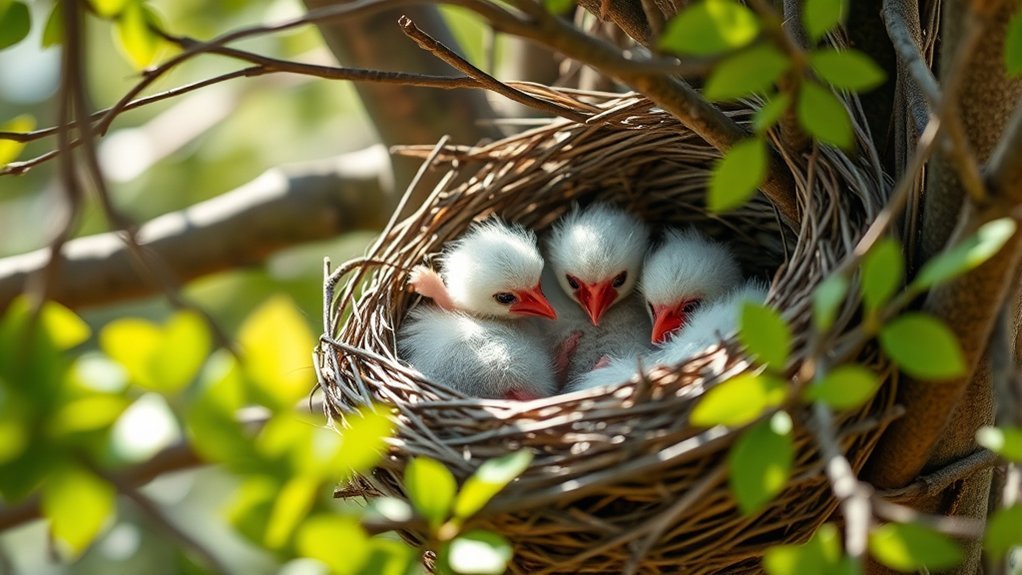
As baby birds grow, they become nestlings. This is an exciting time where they learn important skills to become independent.
You'll see these young birds getting stronger and moving better.
Nestlings do fun things like stretch their wings and make sounds to ask for food. Their parents help them a lot during this time. The parents feed them by giving them food that's already digested, which helps the nestlings grow big and strong.
The nestlings eat a lot because they're transforming into capable birds. This stage helps them build muscles and understand how to get along with other birds.
When you watch nestlings, you can see how important it's for them to be taken care of as they prepare for their next big steps in life.
Fledglings: Preparing for Flight
Once fledglings leave the nest, they start an important time in their lives. This time helps them get ready to fly. You'll see many interesting behaviors as these young birds work on their wings and learn to control their movements. They flap their wings a lot to build muscle and practice flying.
Fledglings also spend time with their siblings. These interactions are important. They help the young birds know their space better and learn how to survive. While exploring, fledglings begin to look for food on their own. This helps them become more independent.
This stage lasts a few weeks. During this time, fledglings get better at their instincts and gain confidence. This period is crucial as it leads them to become full adult birds.
Understanding what fledglings go through can help you appreciate their strength and will to grow.
Juveniles: The Transition to Independence
Juveniles: The Path to Independence
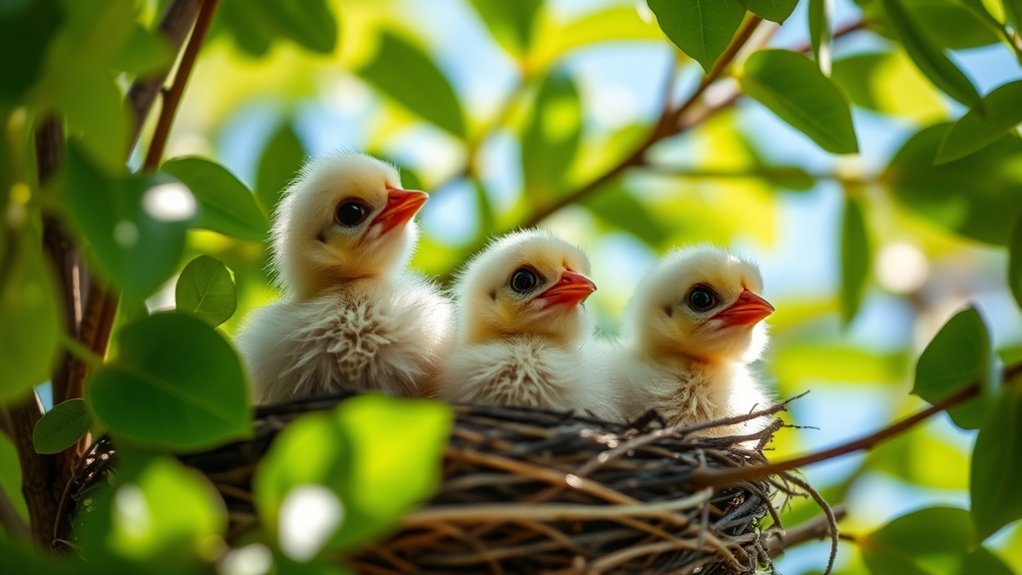
When young birds are ready to fly, they start a new journey toward independence. In this phase, they learn to do things on their own. They pick up important skills, like finding food, knowing where to go, and interacting with other birds. These skills are crucial for their survival as they grow up and need to care for themselves without their parents.
You'll see young birds exploring their surroundings. They test their limits and practice moving in ways that help them survive. Gaining this independence helps them fit into their group of birds and increases their chances of living in the wild.
Understanding this important stage helps you appreciate bird life more. It shows how nature works to support growth and connection among different bird species.
Chicks: A General Term for Young Birds
Chicks are young birds that are still growing. This is an important time in a bird's life. During this stage, chicks grow quickly and learn new skills. You can see them begging for food or preening their feathers. These actions show what they need and help them learn to socialize with each other.
As chicks grow, they start to get their feathers, which prepares them for being on their own. Their parents play an important role in their lives. The parents feed them and keep them safe, which helps the chicks survive.
Learning about chicks helps us understand birds better. It allows us to appreciate how these young birds grow and get ready for life outside of the nest.
Watching chicks develop is both exciting and fascinating!
Eaglets and Owlets: Notable Names for Specific Species
Eaglets and owlets are two young birds that have unique names and behaviors. Eaglets are young eagles. They like to play and practice flying around their nests. You can often see them flapping their wings and taking short flights as they get ready to be on their own.
On the other hand, owlets are baby owls. They usually live in forests and find holes in trees to make their nests. These cozy spots help keep them safe and hidden from predators.
Owlets are more quiet and secretive than eaglets. They've soft feathers that help keep them warm. You might find them sitting still, blending in with the trees.
Knowing the different names for these young birds helps us understand what makes them special. Whether it's the playful eaglets or the hidden owlets, both are amazing in their own ways!
Ducklings: The Endearing Young of Waterfowl
When you look at a pond or lake, you might see adorable ducklings swimming with their moms. These little birds aren't just cute; they help their environment in many ways.
Taking care of ducklings is important for helping them grow. Here are three simple things to remember:
- Food: Ducklings need a mix of grains, greens, and bugs to stay healthy and strong.
- Safety: It's important to keep them safe from predators, especially when they're young and weak.
- Family Time: Ducklings learn a lot by spending time with their mother and siblings. This helps them develop good social skills.
Goslings: Baby Geese and Their Unique Traits
Goslings are baby geese, and they've some special traits that make them unique.
First, their fluffy feathers are usually yellow or gray. These feathers keep them warm in different weather.
Goslings are very curious and love to hang out with their parents. They like to follow their parents closely and copy what they do. It's cute to watch!
To stay healthy, goslings need good care. They should eat a mix of grasses, grains, and drink plenty of water.
They also count on their parents to keep them safe and teach them how to survive.
When you take the time to observe goslings, you'll enjoy their playful nature and learn how important they're in nature.
Watching them can help you appreciate these adorable birds even more!
Parrots and Their Young: Specific Terms and Care
Many people love adult parrots because of their bright colors and fun personalities.
But it's just as important to learn about their babies. A baby parrot is called a "chick." Taking care of these chicks needs attention.
Here are three important things to remember when caring for parrot chicks:
- Food: Young parrots need healthy food. This means using special feeding formulas.
- Social Time: Holding and gently interacting with chicks helps them learn to talk and bond with people.
- Safe Space: Provide a safe and fun area for your chicks to explore. This helps them feel confident and grow strong.
Frequently Asked Questions
Do Baby Birds Make Noise While Still in the Egg?
Yes, baby birds can make sounds while they are still in their eggs. This happens when they communicate with each other. They make soft noises to talk to their siblings or parents. These sounds help them connect before they hatch. It's a nice way for them to start bonding even before they see the world!
How Can You Tell the Age of a Baby Bird?
To find out how old a baby bird is, look at its growth stages. When a baby bird first hatches, it has very little down, which is the soft fluff on its body. As it gets older, it starts to grow feathers and opens its eyes. Eventually, it can start to perch by itself.
What Do You Feed an Abandoned Baby Bird?
When you find an abandoned baby bird, you need to feed it properly. Use a syringe or a spoon to give it food. Good choices for food are special bird formulas or soft fruits. Make sure the bird gets the right nutrients to help it grow strong and healthy. Keep an eye on it and feed it often. With your care, the baby bird can thrive!
Are All Baby Birds Born With Feathers?
Not all baby birds are born with feathers. Different bird species have different ways of developing feathers. Some baby birds come out of their eggs without any feathers at all. These little ones rely on their nests to stay warm and safe while they grow their feathers over the first few weeks of their lives. It's an important time for them as they begin to change and prepare to fly.
How Long Does It Take for Baby Birds to Fly?
Baby birds usually take about two to four weeks to get strong enough to learn how to fly. During that time, they practice flapping their wings. This helps them build muscles and improve their coordination. These skills are important for their future flights. So, watching them grow and learn can be a fun experience!

Joyce is the passionate founder of Chirping Hearts, a website dedicated to sharing her love for birds and providing valuable information about avian life. With a background in ornithology and years of experience in birdwatching, Joyce aims to inspire others to appreciate the beauty and diversity of birds. Through her engaging articles and guides, she hopes to foster a community of bird enthusiasts who share her enthusiasm for these incredible creatures. When she’s not writing, Joyce enjoys exploring nature trails and observing birds in their natural habitats.


