
Wren Vs Sparrow: Identifying Two Common Backyard Birds
To tell wrens and sparrows apart, look at their looks, sounds, and where they like to hang out. Wrens are small and round, and they sing happy songs. Sparrows are a bit bigger and eat seeds. Knowing these things can help you spot these backyard birds easily.
Also, they act differently and like different things in their spaces. You can learn how to attract them to your yard, which is fun! Keep watching and listening, and you'll get good at telling them apart.
A Quick Overview
Wren vs. Sparrow: Identifying Two Common Backyard Birds
Wrens and sparrows are two birds you might see in your backyard. They have some differences that can help you tell them apart.
First, wrens are smaller and rounder than sparrows. They are usually a warm brown color with dark stripes. In contrast, sparrows have longer bodies and can be brown or gray.
Next, their songs are different. Wrens sing cheerful and varied tunes, while sparrows chirp in a simple and repetitive way.
When it comes to where they like to hang out, house wrens prefer thick gardens filled with plants. Sparrows like open fields and urban spaces.
Lastly, their diets differ. Wrens mostly eat insects and often like to be alone. On the other hand, sparrows eat seeds and often gather in big groups.
Now you can enjoy recognizing these two birds in your backyard!
Physical Characteristics: Size and Coloration
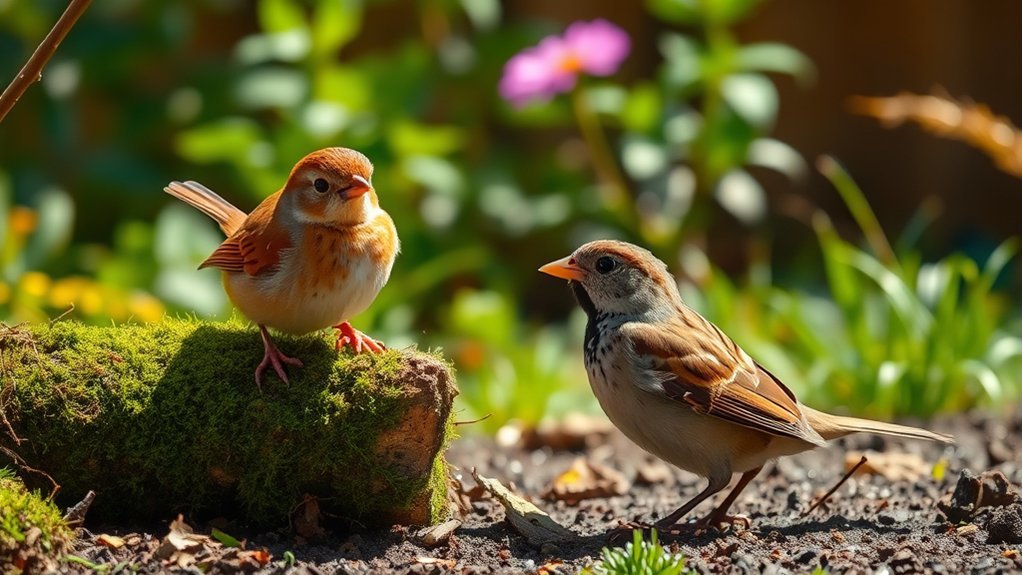
When you watch birds in your backyard, knowing their size and colors can help you tell them apart. Take the wren, for example. It's usually smaller than a sparrow and has a round, chubby body. Its warm brown color, often with dark stripes, helps it blend in with bushes and trees.
Now, look at the sparrow. It has a longer body and can be many shades, from brown to gray. Sparrows often have special markings on their heads that make them unique.
Pay attention to their beaks, too. Wrens have thin, pointed beaks that help them catch insects. Sparrows have thicker, cone-shaped beaks because they like to eat seeds.
Another thing to notice is their tails. Wrens have short tails that they often hold up high. Sparrows have longer tails, which can help you spot them easily.
Vocalizations: Songs and Calls Comparison
Many birds in our backyards make special sounds to talk to each other. Listening to these sounds can help you recognize them better. Wrens and sparrows have different calls that are easy to notice once you pay attention.
- Wrens make cheerful, whistled tunes. Their songs are lively and can change speed.
- Sparrows have sweet chirps. Their calls are simple and often repeat the same notes.
- Where they're matters—wrens sing loudly when they're trying to impress a mate, while sparrows like to chatter when they're looking for food.
- When they sing matters too; wrens usually sing early in the morning, while sparrows call all day long.
With a little practice, you can learn to tell these birds apart by their sounds. Enjoy your time watching and listening to the birds in your yard!
Habitat Preferences: Where to Find Wrens and Sparrows
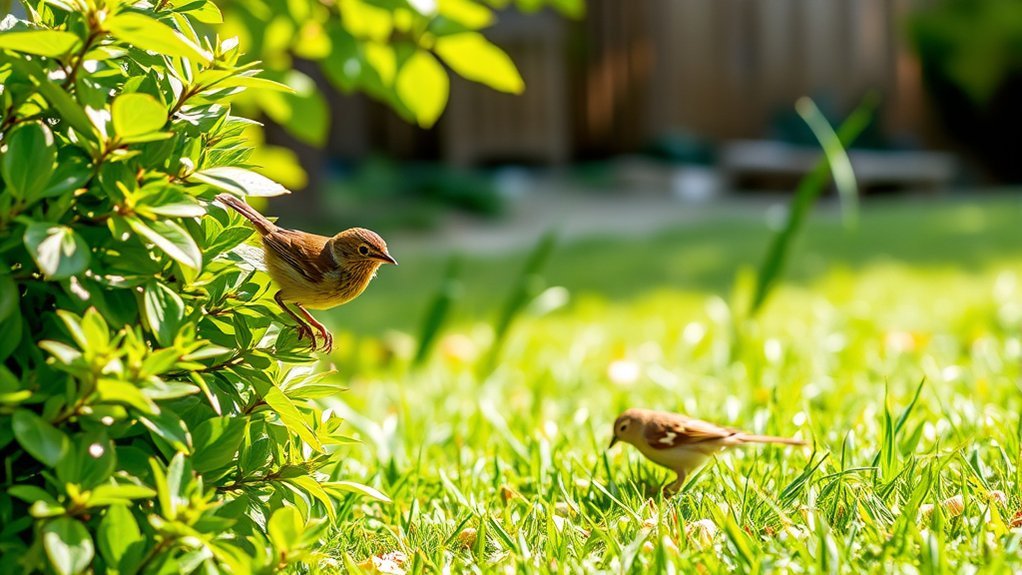
Wrens and sparrows like different places to live, and this affects where you might see them.
Wrens, especially the house wren, enjoy spots with a lot of plants. They like gardens and areas with bushes. They build their nests in tree holes, piles of sticks, or even in our homes. This helps keep them safe from animals that might hurt them.
On the other hand, sparrows are very flexible. You can find them in open fields, cities, and parks. They like to make their nests hidden in grass or bushes. This helps protect them from wind and rain.
Knowing where these birds like to stay can make birdwatching more fun. You can create nice spaces in your backyard to attract them. Enjoy connecting with nature!
Behavior: Feeding Habits and Social Interactions
Wrens and sparrows have different ways of eating and interacting with each other. Let's take a closer look at how these birds behave.
1. Feeding Habits: Wrens eat mostly insects. They like to search in thick bushes and plants.
On the other hand, sparrows enjoy seeds and grains. You can often find them looking for food on the ground.
2. Social Behavior: Sparrows like to hang out in big groups. This helps them feel safer and find food together.
Wrens, however, like to be alone or with just a few other wrens.
3. Territoriality: Wrens can be protective of their space, especially during the breeding season.
This means they might get a little aggressive if they see another wren nearby.
4. Vocal Communication: Both wrens and sparrows make sounds to talk to each other.
Wrens are known for their beautiful and varied songs.
Knowing these habits can help you appreciate the birds you see outside your window. Each one adds something special to our backyard nature!
Tips for Attracting Wrens and Sparrows to Your Yard
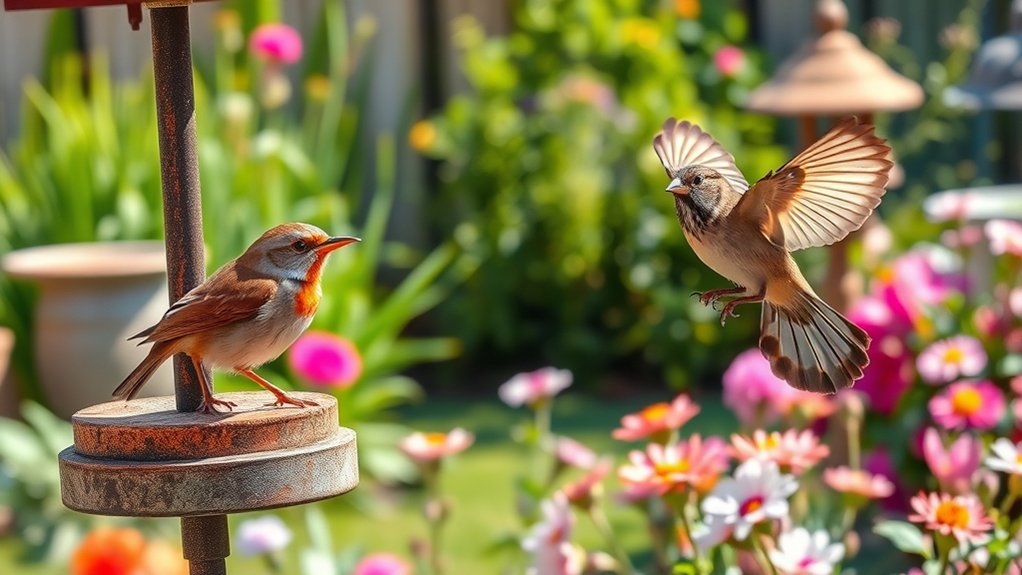
If you want to attract wrens and sparrows to your yard, you can make your outdoor space more colorful and lively!
Here are some easy tips to follow:
1. Feeders: Put up bird feeders with sunflower seeds or millet. Sparrows love these yummy seeds!
2. Natural Habitat: Wrens like to munch on bugs and grubs. Planting native plants can help provide food for them in your yard.
3. Nesting Sites: Give birds a cozy place to build their nests. You can add shrubs, bushes, or special wren houses.
Make sure these spots are quiet and sheltered so the birds feel safe.
4. Clean Feeders: Be sure to clean your feeders often. This keeps the birds healthy and gives them a steady food source.
By creating a friendly and inviting space, you'll be welcoming wrens and sparrows to your yard.
Enjoy watching these fun little birds!
Frequently Asked Questions
Do Wrens and Sparrows Migrate Seasonally?
Yes, wrens and sparrows have different ways of migrating. Some sparrow species travel long distances when seasons change. They fly to warmer places for food and shelter.
On the other hand, wrens usually stay close to home. They are good at adjusting to their surroundings. They find what they need right where they live instead of flying far away.
How Long Do Wrens and Sparrows Typically Live?
Wrens and sparrows have different lifespans. Wrens usually live about 2 to 5 years. Sparrows, on the other hand, can live a little longer, often reaching 3 to 9 years.
The differences in how long they live depend a lot on where they live and the environment around them. Things like food, shelter, and safety can all affect their chances of living longer.
Can Wrens and Sparrows Be Kept as Pets?
You can keep wrens and sparrows as pets. They are fun birds, but you need to know how to care for them. Make sure they have big cages to move around. They also like to play and explore, so give them toys and different things to keep them busy. This will help them feel safe and happy in their new home.
What Role Do Wrens and Sparrows Play in the Ecosystem?
Wrens and sparrows help keep nature in balance. They eat a lot of insects, which helps control their numbers. This means fewer bugs in gardens and parks!
These little birds also help plants grow by spreading seeds. When they eat fruits and seeds, they drop them in different places. This helps new plants grow in new spots.
Are There Any Conservation Concerns for Wrens and Sparrows?
Yes, there are conservation concerns for wrens and sparrows. Their homes are disappearing, and their numbers are going down. This makes it hard for them to survive.
You can help by supporting conservation efforts. This way, we can make sure these birds keep living in our parks and gardens. They play an important role in nature, and we want to see them around for years to come!

Joyce is the passionate founder of Chirping Hearts, a website dedicated to sharing her love for birds and providing valuable information about avian life. With a background in ornithology and years of experience in birdwatching, Joyce aims to inspire others to appreciate the beauty and diversity of birds. Through her engaging articles and guides, she hopes to foster a community of bird enthusiasts who share her enthusiasm for these incredible creatures. When she’s not writing, Joyce enjoys exploring nature trails and observing birds in their natural habitats.