Understanding the Significance of the Blue Jay Bird in Culture
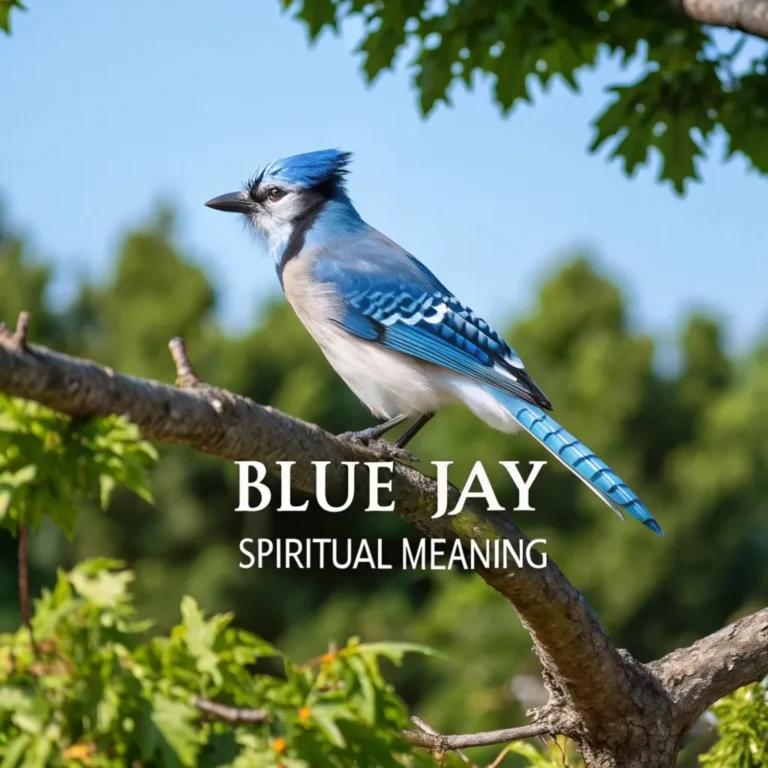
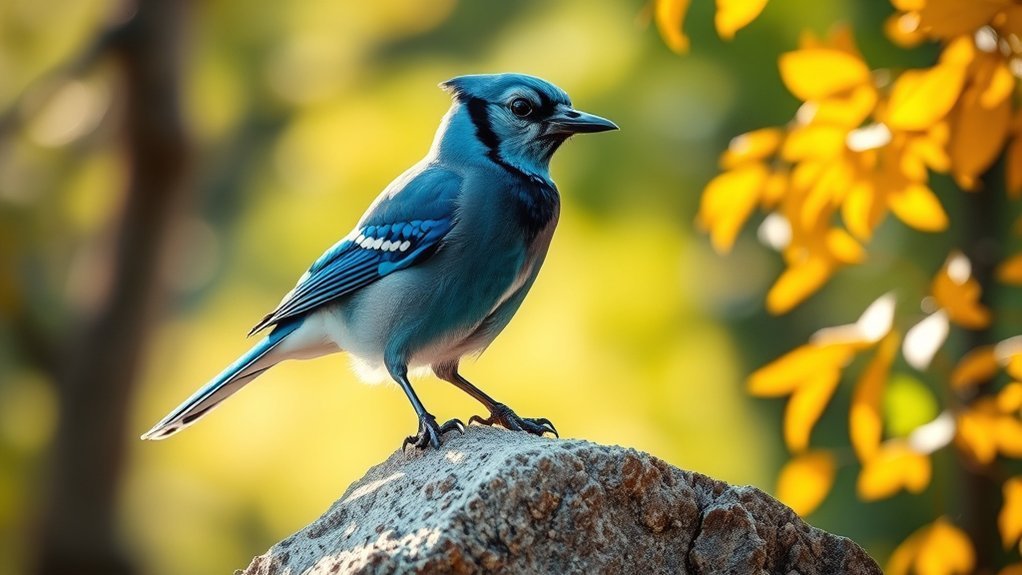
The Blue Jay is more than just a pretty bird. It connects culture and nature in interesting ways. In Native American stories, the Blue Jay symbolizes a strong bond with the environment. This bird is smart and adaptable, showing how well it can communicate and thrive in different settings.
When you look at art and stories from various cultures, the Blue Jay often appears. Its presence helps us think about community and our connections to nature. What else can we learn about how we interact with the natural world through this bird?
A Quick Overview
The Blue Jay is an important bird in many cultures. In Native American stories, Blue Jays act as messengers between the spirit world and people. They help us connect with nature and each other.
Different cultures see Blue Jays as smart and adaptable. They remind us how important it is to be clever and work together as a community.
Blue Jays are known for their bright colors and playful actions. This inspires artists, who include them in paintings and stories. They often represent strength, happiness, and being true to oneself.
In nature, Blue Jays do important work. They help spread seeds and control insect populations. This shows how vital they are for keeping our environment healthy.
Protecting Blue Jays helps nature stay in balance and supports cultural stories. This bird is a key part of our world, connecting nature and people effectively.
The Blue Jay in Native American Folklore
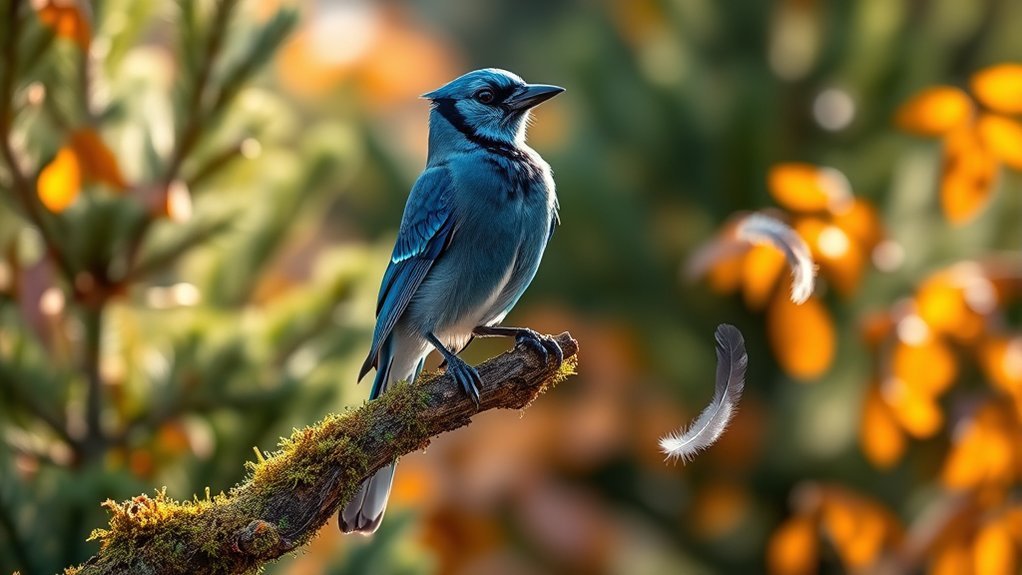
In Native American stories, the Blue Jay has a special meaning that many tribes share. These birds can be seen as messengers. They help connect people to the spirit world.
Blue Jays have bright colors and smart behaviors, which make them important in myths. Sometimes, they protect others, while at other times, they play tricks.
Blue Jays are also symbols of communication. When they call, it's thought to be a message from spirits.
Learning about the Blue Jay helps us see the strong link between nature and spirituality in Native American cultures. Their stories remind us to appreciate the beauty around us.
Symbolism of the Blue Jay in Different Cultures
The Blue Jay is an interesting bird found in many cultures. It stands for smartness, good communication, and the ability to change. People see the Blue Jay in different ways.
For many Indigenous groups, Blue Jays carry messages from the spirit world. They act as messengers. In some Eastern cultures, people believe Blue Jays bring good luck and show cleverness.
The Blue Jay also loves to be social. It teaches us about community and working together. This feeling of togetherness brings people closer.
When we think about all these meanings, we start to see how the Blue Jay connects us. It inspires cultures everywhere. The Blue Jay isn't just a bird; it helps us understand nature and how we communicate.
The Blue Jay's Role in Ecosystems
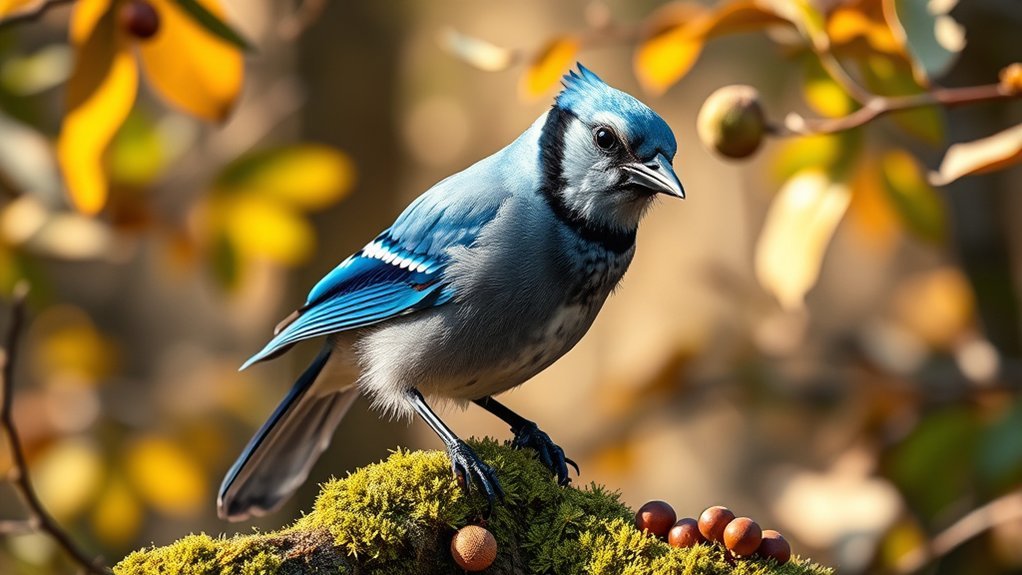
The Blue Jay is an important bird in its environment. It helps keep nature in balance by eating insects and controlling their populations.
Blue Jays live in many places, like forests and city parks, showing how adaptable they are.
These birds are omnivores, which means they eat both plants and animals. They also help plants grow by spreading seeds. This helps many different kinds of plants thrive in their habitats.
Blue Jays interact with other animals, forming connections in nature that support a wide variety of life.
Learning about these roles can help you appreciate how crucial the Blue Jay is for the ecosystems where it lives. Understanding this can make you feel more connected to nature and the wildlife around you.
Representation of the Blue Jay in Art and Literature
Blue Jays appear often in art and stories. They show intelligence and strength. When artists and writers use blue jays, they tell important tales about life and nature.
- Poets write about blue jays to show how we express ourselves.
- Visual artists paint them because their bright feathers represent joy and energy.
- In stories and folklore, blue jays act as clever tricksters. This shows their wit.
- Nature writers talk about blue jays and how they survive in tough places.
These ways of talking about blue jays celebrate their unique qualities. They help us connect with nature and think about our lives and feelings.
Blue Jay Conservation and Its Cultural Importance
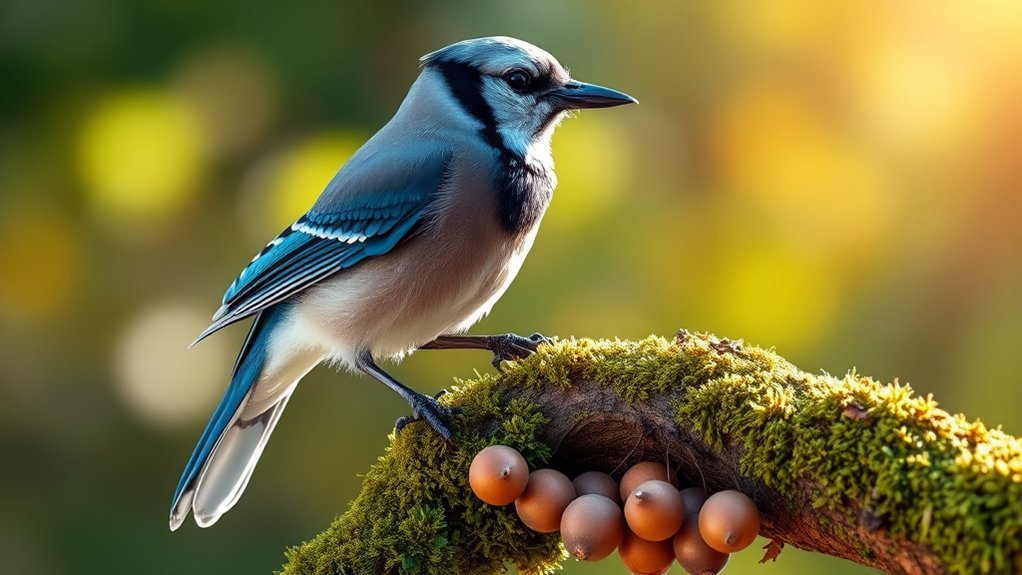
Many people love blue jays because they look so bright and colorful. But protecting blue jays is important for more than just keeping nature diverse. These birds have a special place in many cultures too.
Keeping their homes safe helps our environment stay healthy. It also helps bring communities together. You can make a difference by watching blue jays and learning about them. This helps you understand how they live and what they need.
By joining in on conservation efforts, you support these beautiful birds. You also help keep the stories and traditions that are connected to them alive.
Taking care of blue jays means keeping a symbol of strength and change safe, one that's important to all of us.
Popular Myths and Beliefs Surrounding the Blue Jay
Blue jays are fascinating birds that inspire many myths and beliefs. Their bright colors and smart behaviors make them special in many cultures.
Here are some interesting things people believe about blue jays:
- Many Native American tribes say blue jays are symbols of communication. They believe these birds help bring messages clearly.
- When you see a blue jay, some people think it means change is coming. It could mean something new is on the way.
- In some cultures, blue jays are seen as protectors. They're thought to help keep bad vibes away.
- If you spot blue jays in pairs, many believe it brings good luck.
These beliefs show how much people admire blue jays. They connect us through stories and traditions, making the world a bit brighter.
Frequently Asked Questions
What Do Blue Jays Eat in Their Natural Habitat?
Blue jays mainly eat nuts. They love acorns and walnuts the most. When you watch them, you can see how they look for food. This is important because they help plant new seeds. Their actions keep the environment healthy. It's fun to see them in nature!
How Long Do Blue Jays Typically Live?
Blue jays usually live for about 7 years. However, some blue jays can live as long as 26 years when they are kept in captivity. Their lifespan can change depending on how well they can find food and adapt to their surroundings. So, whether they're in the wild or in a safe place, their behavior plays a big role in how long they live.
Are Blue Jays Migratory or Resident Birds?
Blue jays are not strictly migratory birds. They have different patterns based on the weather and seasons. Some blue jays will fly south when winter is really cold, while many of them stay in their homes year-round. They find what they need in their favorite habitats, and they can raise their young there too. So, whether they travel or not often depends on how tough the winter is.
What Are Common Predators of Blue Jays?
Blue jays have a few predators that chase after them. Hawks are one big threat. They like to hunt blue jays in the sky. Snakes are also dangerous because they can get to blue jay nests and eat their eggs or young birds.
If you want to watch blue jays, look for places where these birds are flying or nesting. You might see hawks high up in the trees or snakes near the ground. This way, you can enjoy watching how blue jays deal with these challenges in nature.
How Can I Attract Blue Jays to My Backyard?
To attract blue jays to your backyard, start by putting up bird feeders. Fill these feeders with peanuts and sunflower seeds. Blue jays love these snacks!
Also, think about adding some nesting materials nearby. Twigs and pine needles make great options. This will help the blue jays feel comfy and want to visit your yard more often.
Make your backyard a fun spot for them, and you'll see these beautiful birds come around!

Joyce is the passionate founder of Chirping Hearts, a website dedicated to sharing her love for birds and providing valuable information about avian life. With a background in ornithology and years of experience in birdwatching, Joyce aims to inspire others to appreciate the beauty and diversity of birds. Through her engaging articles and guides, she hopes to foster a community of bird enthusiasts who share her enthusiasm for these incredible creatures. When she’s not writing, Joyce enjoys exploring nature trails and observing birds in their natural habitats.